


Cervical Spondylosis
Cervical arthritis is a condition also known medically as cervical spondylosis. It occurs when the joints and discs in the neck vertebrae undergo changes due to aging or wear and tear. These changes are generally associated with aging and are a natural part of the spine. However, in some people, these changes can cause signs and symptoms.
Symptoms of neck arthritis
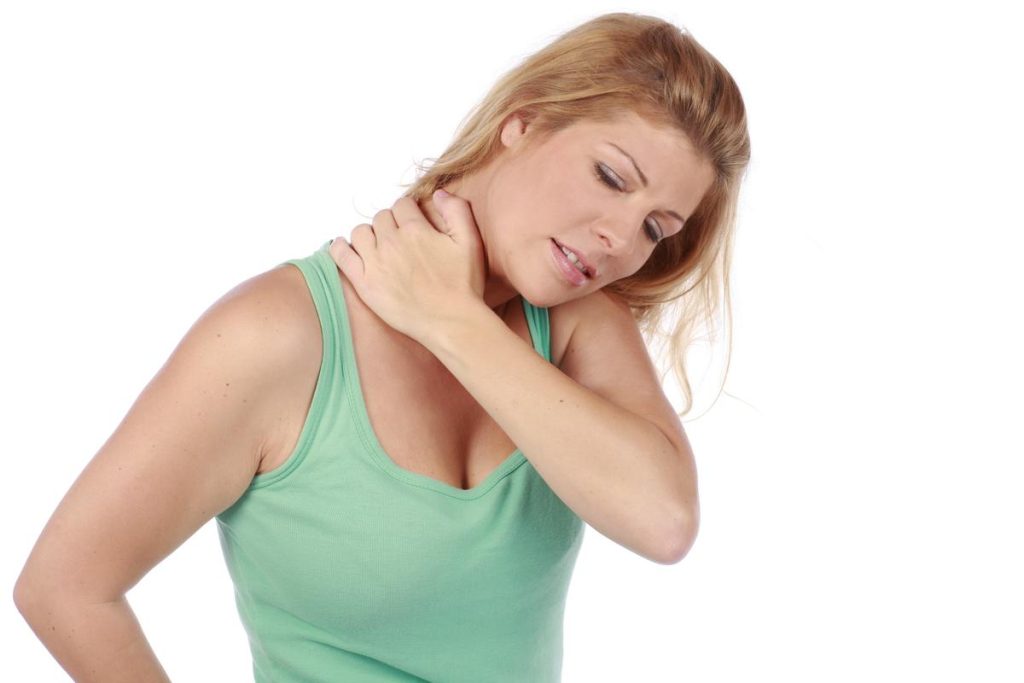
- Neck pain: The most common symptom of cervical arthritis is neck pain. The pain typically begins at the base of the neck or in the shoulders but can spread over time and be felt in the head, arms, or back. The pain usually develops gradually and can worsen.
- Neck stiffness : Osteoarthritis can cause a feeling of stiffness or restriction in neck movement. It may be difficult for the neck to turn or bend freely.
- Headaches: Neck arthritis can cause headaches. A headache can be felt particularly in the nape of the neck, at the back of the head. These headaches often resemble tension-type headaches.
- Arm numbness and weakness: Cervical arthritis can cause numbness, tingling, or weakness in the arms due to compression of the spinal cord or nerve roots. These symptoms can occur particularly during neck movements or after prolonged activity.
- Dizziness and balance issues: Cervical arthritis can sometimes cause dizziness or balance issues. This is because changes in the cervical vertebrae affect the balance system, which is linked to the inner ear.
- Shoulder and back pain: Cervical arthritis can affect the connection between the cervical vertebrae and shoulders, causing shoulder or back pain.
Symptoms can vary from person to person, and some people may not experience symptoms related to cervical arthritis, while others may be more affected. If you experience neck pain or other symptoms, it's important to consult a healthcare professional.
Causes of neck arthritis
Cervical osteoarthritis (CA) typically occurs as a result of aging. During this process, structures in the spine can experience wear and tear. However, certain factors can contribute to the development of cervical osteoarthritis. Some factors that contribute to cervical osteoarthritis include:
- Aging: As we age, we experience wear and degeneration in the spinal discs and joint surfaces. Disc flexibility decreases, joint surfaces deteriorate, and cartilage weakens. This is the most common cause of neck arthritis.
- Genetic factors: A genetic predisposition may contribute to a higher risk of developing cervical osteoarthritis in some people. If other family members have cervical osteoarthritis, the individual's risk may be increased.
- Trauma : Trauma or injury to the neck can accelerate the development of cervical osteoarthritis. For example, an accident can cause a fracture or injury to the cervical vertebrae, which can lead to cervical osteoarthritis later in life.
- Physical overload: Constantly putting excessive strain on the neck and spine can contribute to the development of cervical arthritis. Factors such as high-impact sports, carrying heavy loads, or consistently working in poor posture can cause accelerated wear and tear on the cervical vertebrae.
- Inactivity: Factors such as inactivity, lack of regular exercise, or prolonged sitting can increase the risk of developing cervical osteoarthritis. Inactivity can weaken muscles and tissues, reduce spinal stability, and accelerate the calcification process.
These factors can contribute to the development of neck osteoarthritis, but they can vary from person to person. While aging is the most common cause of neck osteoarthritis, the effects of this condition can be reduced or delayed with measures such as healthy lifestyle habits and regular exercise.
How does neck arthritis occur?
Cervical arthritis occurs as a result of structural changes in the cervical vertebrae, discs, and joint surfaces. The formation process of cervical arthritis is as follows:
- Disc degeneration: The discs located between the cervical vertebrae provide the shock-absorbing and flexible structures between the vertebrae. With aging and excessive strain, these discs begin to degenerate. The nucleus, the gel-like structure found within the discs, can harden, thin, and lose flexibility over time. This reduces the discs' shock-absorbing ability and increases friction between the vertebrae.
- Changes in joint surfaces: The joint surfaces between the cervical vertebrae contain a slippery tissue called cartilage. Due to aging and excessive strain, this cartilage can weaken and wear away. This increases friction between the joint surfaces and can lead to pain.
- Osteophyte formation: Osteophytes, or bony protrusions, can form on the spinal bones due to neck arthritis. Osteophytes are structural changes that occur to compensate for excessive friction between bones. However, these protrusions can sometimes compress nerve roots or nerves exiting the spinal cord, causing symptoms such as pain, numbness, and weakness.
- Ligament and muscle weakness: Neck arthritis can also affect the shoulders and neck muscles. In this case, the muscles and ligaments can weaken, making them more susceptible to strain and injury. Furthermore, weakened muscles can have difficulty maintaining spinal stability, which can accelerate the arthritis process.
When these processes combine, cervical osteoarthritis (OA) develops. Factors such as aging, excessive strain, genetics, and lifestyle habits can accelerate or influence these changes. While cervical osteoarthritis is generally not a progressive condition, it can cause symptoms and discomfort.
Who is at risk for neck arthritis?
While neck arthritis generally occurs as a result of aging, individuals with certain risk factors may be at higher risk. This condition, which most commonly occurs in people between the ages of 40 and 50, includes the following factors:
- Age
- Genetic predisposition
- Overload and physical activity
- History of trauma and injury
- Smoking
- Postural disorders
- Sedentary life
- Excess weight
- Wrong pillow selection
- Sleeping in the wrong position
Treatment of neck arthritis
Treatment for cervical osteoarthritis can vary depending on the severity of symptoms, the patient's age, health status, and other factors. Treatment generally focuses on relieving symptoms, improving function, and improving quality of life. Common methods used to treat cervical osteoarthritis include:
- Medication: Nonsteroidal anti-inflammatory drugs (NSAIDs) may be prescribed to relieve pain and inflammation. Muscle relaxants, corticosteroid injections, or pain relievers may also be used. However, while medication can help relieve symptoms, it does not cure cervical osteoarthritis.
- Physical therapy: Physical therapy involves performing exercises to strengthen neck muscles, increase flexibility, and improve posture. Physical therapy programs can help reduce pain, improve neck mobility, and strengthen muscles. Physical therapists also provide instruction in proper body mechanics and postural habits.
- Pain management techniques: Pain management techniques such as hot or cold compresses, transcutaneous electrical nerve stimulation (TENS), or massage may be used. These methods can relieve pain, promote muscle relaxation, and improve quality of life.
- Exercise and activity modifications: Regular exercise can alleviate the symptoms of cervical arthritis and strengthen muscles. However, appropriate exercises should be chosen to avoid overloading. Activity modifications can improve symptoms by reducing stress on the neck and spine. For example, maintaining good posture, using appropriate pillows, and adopting a correct sitting position at a desk can be beneficial.
- Supportive devices : Supportive devices, such as neck braces, neck collars, or orthopedic pillows, can help relieve symptoms of cervical arthritis. These devices can reduce pressure on the neck and spine and promote proper posture.
- Surgery: In rare cases, surgery may be considered if other treatments are ineffective or if symptoms are severe. Surgical options may include removing intervertebral discs or osteophytes, stabilizing the spine, or relieving nerve compression.
What you need to pay attention to for neck arthritis
- Proper posture : Good posture can reduce stress on the neck and spine. Whether sitting or standing, keep your spine straight, shoulders back, and head aligned naturally.
- Ergonomic work environment: When working at a desk or using a computer, make appropriate ergonomic adjustments. Use a desk and chair at the right height, keep your screen at eye level, and take regular breaks.
- Avoid overload: Be careful to avoid excessive strain on the neck and spine. Use proper techniques when lifting heavy loads, distribute the loads, and seek assistance when necessary. Also, avoid strenuous physical activity and use appropriate equipment when exercising.
- Regular exercise: Regular exercise is important to strengthen neck muscles and increase flexibility. Choose exercises that are appropriate for your neck and spine and follow the recommendations of your doctor or physical therapist.
- The right pillow and mattress: Make sure to use the right pillow and mattress to support your neck and spine while sleeping. Instead of soft or firm mattresses, opt for orthopedic mattresses. Using pillows that provide adequate neck support can also be beneficial.
- Limit smoking and alcohol consumption: Smoking can accelerate the progression of neck arthritis. Therefore, it's important to quit or reduce your smoking. Limiting alcohol consumption is also important for maintaining overall health.
- Regular checkups and treatment monitoring: Attend regular checkups with your doctor throughout your treatment for cervical osteoarthritis. Follow your treatment plan and recommendations, and consult your doctor if you notice any changes in your symptoms.
Following these recommendations can alleviate the symptoms of cervical arthritis, slow its progression, and improve quality of life.
When is surgery recommended for neck arthritis?
The decision to undergo surgery for cervical osteoarthritis depends on the severity of symptoms, the patient's quality of life, their response to conservative treatments, and other factors. Generally, surgery may be considered in the following situations:
- Severe pain and symptoms: If severe neck pain persists despite conservative treatments and the symptoms of cervical arthritis are severe enough to affect daily life, surgery may be considered.
- Neurological symptoms and nerve compression: If neurological symptoms (e.g., numbness, tingling, weakness) occur due to pressure on nerve roots or the spinal cord caused by cervical arthritis, surgery may be recommended. This is important to prevent further nerve compression and damage.
- Advanced disc degeneration: If there is advanced degeneration or loss of disc height in the discs between the vertebrae as a result of neck arthritis, surgery may be considered due to stability issues or severe pain.
- Spinal deformity or instability: Cervical arthritis can cause various spinal deformities or instability. If severe cervical deformity or instability is detected, surgery may be necessary.
- Unresponsive to other treatments : Conservative treatments are usually the first choice for relieving symptoms and improving quality of life. However, if other treatments fail, surgery may be considered.
The decision to undergo surgery is evaluated individually for each patient. The doctor evaluates the benefits and risks of surgery by considering the patient's symptoms, radiological findings, health status, and other factors. The patient's pre- and postoperative expectations, lifestyle, and other factors may also influence the decision to undergo surgery.
