


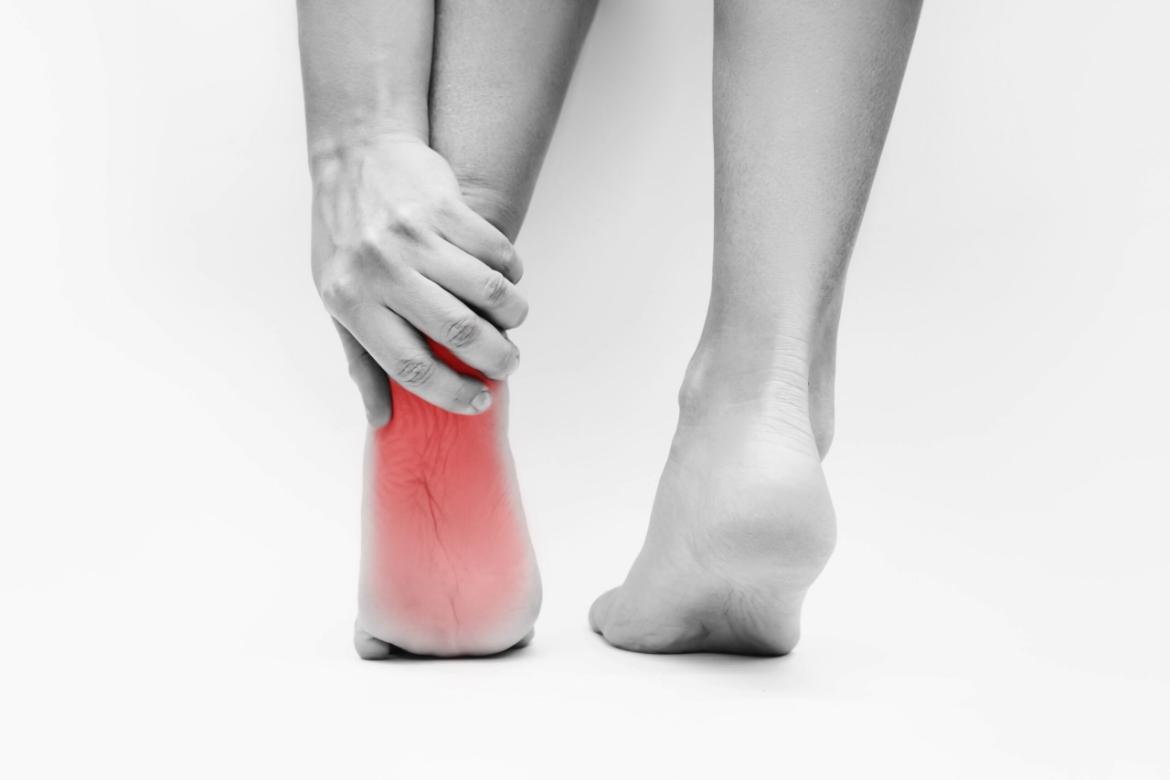
Causes of Heel Pain and Effective Treatment Methods
The heel is a crucial part of the foot's anatomy, supporting many activities in our daily lives. However, heel pain can arise from a variety of causes. Factors such as standing for long periods, improper footwear, and the effects of gravity can all contribute to heel pain. Additionally, structural or functional disorders and injuries can also contribute to this pain.
Increased body weight can increase the load on the heel; therefore, weight gain or being overweight can also cause heel pain. Heel pain usually resolves with rest, but when it comes to orthopedic issues, proper treatment is crucial. In this article, we'll focus on the various causes of heel pain and effective treatment methods.
Heel pain: Causes and main health problems
Heel pain is a common complaint that can arise from a variety of causes. The underlying causes of this pain can include factors arising from daily activities, changes in bone and muscle structure, excess weight, and inappropriate footwear. However, in some cases, heel pain can also be caused by serious underlying health issues.
Common health problems that cause heel pain:
- Plantar fasciitis: This occurs due to inflammation of the connective tissue in the sole of the foot. It is characterized by pain, usually felt after prolonged standing or with the first steps in the morning.
- Heel spur: Associated with plantar fasciitis, a bony protrusion on the bottom of the heel often causes sharp pain. It's especially noticeable with the first step in the morning.
- Tendonitis: Heel pain can occur due to inflammation of the tendons in the foot. The Achilles tendon is particularly common.
- Sprains or traumas: Pain, swelling and bruising may be felt in the heel as a result of sprains in the joints, cracks or fractures in the bones.
- Problems with ankle mechanics: Conditions that affect ankle mechanics, such as flat feet or high arches, can lead to pressure and pain in the heel.
- Diabetes: Diabetes can cause heel pain by causing wounds and poor circulation in the feet.
- Rheumatoid arthritis and other joint diseases: Diseases affecting the joints can cause heel pain.
- Heel bursitis: It occurs as a result of inflammation of the fluid-filled sacs in the foot, but is generally rare.
Heel pain resulting from these health problems can be managed with proper diagnosis and treatment. It's important to consult a qualified healthcare professional at the first sign of symptoms.
When should you see a doctor in case of heel pain?
Heel pain can be a common condition that sometimes goes away on its own, but in certain cases, it's important to consult a specialist. A person experiencing heel pain should see a doctor if:
- Long-term pain: If heel pain persists for several days and does not go away, it is important to consult a healthcare professional.
- Pain that affects daily life: If you have heel pain that occurs at any time of the day and sometimes persists, making it difficult to walk, then a doctor's opinion should be sought.
- Pain in the resting position: Heel pain that occurs when in the resting position, especially when taking the first step in the morning, may indicate a serious condition and a doctor should be consulted.
- Swelling, bruising and redness: If there are symptoms such as bruising, redness and swelling that occur along with heel pain, then help should be sought from a specialist healthcare professional.
- Fever and general feeling unwell: If heel pain is accompanied by high fever, general weakness and feeling unwell, it is important to immediately consult a healthcare provider.
These symptoms can indicate a serious health issue related to heel pain. Early diagnosis and consultation with a specialist for appropriate treatment can help resolve the issue quickly.
Diagnosis and diagnosis process of heel pain
Accurately diagnosing heel pain requires a thorough evaluation by a physician and information about the patient's symptoms. Below is a description of the methods used to diagnose heel pain:
- Patient history: The physician takes a detailed history of the patient's heel pain, including its onset, severity, daily changes, and other symptoms. Chronic diseases, previous injuries, or other health problems are also evaluated at this stage.
- Physical examination: The doctor carefully examines the foot and heel area. The doctor assesses the area where pain is concentrated, as well as any swelling, bruising, or other symptoms. This also includes examining the foot structure and examining specific movements.
- Imaging tests: Imaging tests such as X-rays, MRIs, or ultrasounds provide detailed information about the bones, tendons, and ligaments in the heel area. These tests can help detect heel spurs, tendonitis, or other structural problems.
- Blood tests: Blood tests may be ordered to determine if you have systemic diseases, particularly rheumatoid arthritis, diabetes, or gout.
- Investigation and diagnosis: The doctor will compile all the information to determine the exact cause of the heel pain. At this stage, a treatment plan based on the diagnosis is developed.
Diagnosis of heel pain can vary depending on the patient's individual circumstances. An accurate diagnosis is critical in determining appropriate treatment and helping patients effectively manage their pain.
Treatment methods for heel pain
Identifying the specific cause is important for effective treatment of heel pain. General treatment methods for heel pain include:
- Medication: Painkillers or anti-inflammatory medications recommended by the doctor can be used to relieve inflammation that causes heel pain and to control the pain.
- Physical therapy and exercise: Exercises recommended by a physiotherapist can be done to strengthen foot muscles, increase flexibility and relieve heel pain.
- Use of orthotics and insoles: Special insoles, heel supports, or shoe insoles designed to correct the arch of the foot (orthoses) can reduce pain by supporting the foot structure.
- Shoe selection: Wearing comfortable, supportive shoes is especially important for people with plantar fasciitis. Heel height and sole structure should be considered when choosing shoes.
- Applying cold and heat: Applying cold compresses or hot water bags to the painful area can reduce inflammation and provide relief.
- Rest and activity modifications: Excessive activity or standing for long periods can increase heel pain. It's important to rest and adjust your activity levels as needed.
- Surgery: In severe cases of heel pain, such as heel spurs or tendon problems, surgery may be considered. However, this is typically only considered if other treatments have failed.
The treatment plan may vary depending on the patient's specific condition and the cause of the pain. Adhering to the doctor's recommended treatment plan and regular checkups can help effectively manage heel pain.
Relieving and improving heel pain
The following methods can be used to relieve and heal heel pain:
- Rest : If you have heel pain, it's important to rest your feet. Avoid standing for long periods of time and avoid strenuous activities.
- Applying ice: Applying an ice pack or cold compress to the painful area can reduce inflammation and relieve pain. However, the ice should not be placed directly on the skin; it should be wrapped in a cloth.
- Elevating your feet: Elevating your feet can improve circulation and relieve pain. Propping your feet up with a raised pillow can be especially helpful when resting or sleeping.
- Choosing the right shoes: Choosing comfortable, supportive shoes that fit your foot anatomy can help prevent heel pain. High heels should be avoided.
- Using heel pads and insoles: Using heel pads or orthotics to provide extra support inside the shoe can reduce pain.
- Painkillers: Taking painkillers or anti-inflammatory medications, as recommended by your doctor, can help relieve pain.
- Exercise and stretching: It may be helpful to do exercises recommended by your doctor to strengthen your foot muscles and increase flexibility.
If heel pain persists or worsens despite alleviating measures, it's important to consult a qualified healthcare professional. A physician's evaluation is essential to determine the underlying cause of your heel pain and develop an appropriate treatment plan.
Precautions that can be taken to prevent heel pain
To prevent heel pain and maintain foot health, the following precautions can be taken:
- Weight management: Keeping your body weight under control can reduce the stress on your heels. A healthy weight can reduce the risk of heel pain.
- Flexibility and exercise: It's important to do regular foot exercises to keep your foot muscles and tendons flexible. Exercises that strengthen your ankle and foot muscles can help prevent heel pain.
- Choosing the right shoes: Choosing comfortable, supportive, and properly sized shoes is important to prevent heel pain. Avoid shoes with flat soles or very high heels.
- Using orthotics and insoles: Using special insoles or orthotics to provide extra support in shoes can protect the foot structure and prevent heel pain.
- Foot care: Regularly washing, drying, and moisturizing your feet can help keep your skin healthy. Taking care of your nails is also important.
- Balanced diet: A diet that includes nutrients that support foot health, such as calcium and vitamin D, can protect bone and muscle health.
- Adequate rest: It's important to rest your feet, avoid standing for long periods, and rest tired feet. Elevating your feet when necessary can improve circulation.
- Seek professional help when necessary: In case of persistent or severe heel pain, it is important to consult a professional and get the necessary treatment.
These measures can help prevent heel pain and are suitable for maintaining foot health.
