


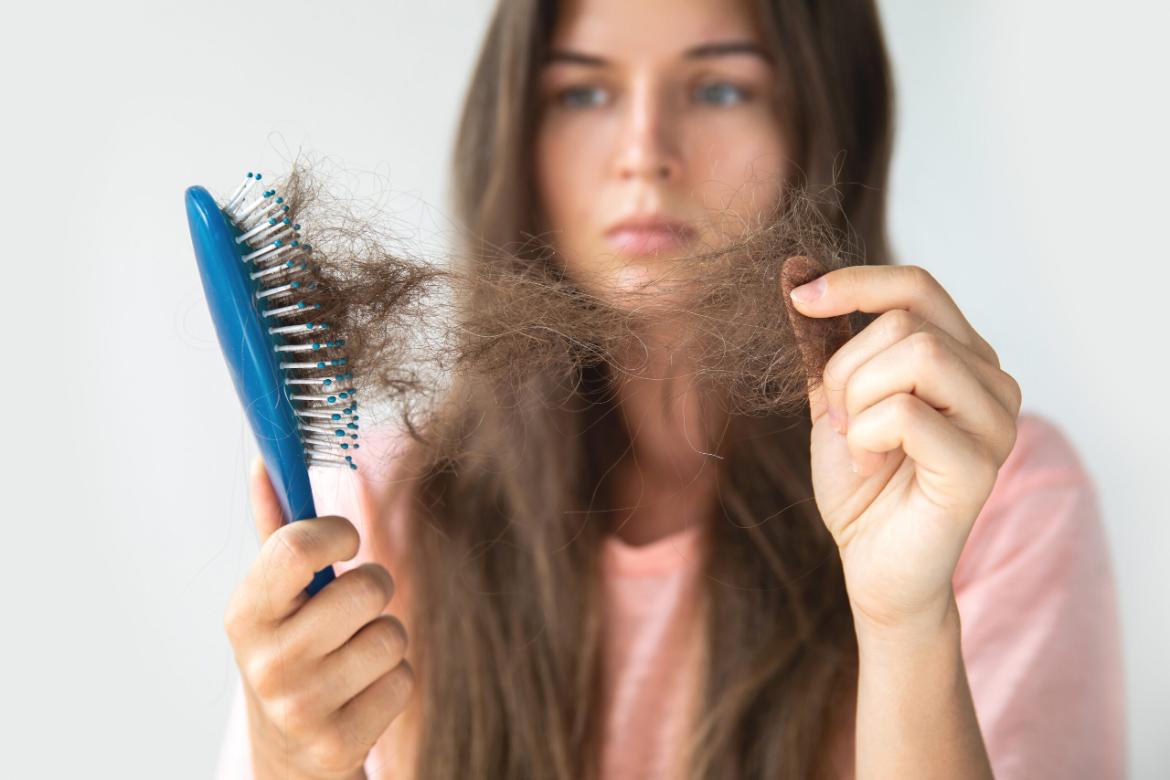
Causes of Hair Loss
Hair Loss
Hair loss can be caused by many different factors, including seasonal changes, stress, iron deficiency, and hormonal imbalances. However, prolonged hair loss can be a symptom of serious illnesses. A healthy scalp contains approximately 100,000 hairs, and it's normal for adults to shed 100-150 hairs daily.
Hair loss can occur for a variety of reasons, including hormonal and nutritional factors, exposure to chemicals, genetic predisposition, systemic diseases, hair development disorders, medications, psychological stress, and scalp diseases. In a healthy person, hair loss can generally last up to two months. However, hair loss that recurs three times a year and lasts longer than two months can be a symptom of some serious illnesses and may require professional help. Hair loss typically begins three to four months after the triggering factor and may return to normal within six to twelve months after these factors are treated.
The lifespan of hair is roughly divided into three phases: growth, rest, and shedding. The growth phase is the longest, with hair growing approximately 1 cm per month. The resting phase lasts a few weeks and then enters the shedding phase. Hair entering the shedding phase loses its connection to the hair follicle and falls out within 2-4 months. This period can be shortened with hair treatments, but not extended. New hair is produced from the hair follicle to replace the lost hair.
This cycle continues throughout a lifetime. It's impossible to tell which phase a hair is in based on its appearance, and at any given time, 85-90% of the hair may be in the growth phase, 1-2% in the resting phase, and 10-15% in the shedding phase. Understanding these phases is crucial to understanding why hair loss treatment can take so long.
Causes of Hair Loss
Shedding is a natural life cycle for every hair strand. Each hair strand experiences a growth phase lasting 4-6 years, after which it rests and then falls out. Shedding 50-100 strands per day is considered normal. However, if shedding exceeds this amount or increases, it should be taken seriously.
There are many possible causes of hair loss. Some of these reasons are listed below:
- Genetic factors: Hair loss can have different causes in men and women. Male pattern baldness, which is generally genetically determined and affects more than 50% of men, is common. This condition is chronic and can become more pronounced with age.
- Skin problems: Some skin conditions can affect the scalp and cause hair loss. Conditions like psoriasis, eczema, and acne can cause hair loss and should be treated.
- Poor eating habits: Nutrition is important for maintaining healthy hair. An unbalanced diet, a single diet, or inadequate nutrition can lead to hair loss. It's important to follow a healthy diet.
- Vitamin and mineral deficiencies: Vitamin and mineral deficiencies such as B12 , vitamin D, folic acid, biotin, zinc, and iron can lead to hair loss. A specialist should be consulted to address these deficiencies.
- Hormonal issues: Conditions such as hormonal imbalances, menstrual irregularities, and increased hair growth can cause hair loss. Hormonal treatments can be effective in these cases.
- Internal diseases and medication use: Thyroid diseases, rheumatic diseases, and certain medications can cause hair loss. These conditions require detailed investigation.
- Sudden hair loss: Sudden hair loss can occur as a result of conditions such as surgeries, fevers, and drug toxicities.
- Childbirth and chemotherapy: Postpartum chemotherapy can also cause hair loss.
- Cosmetic factors: Cosmetic factors such as tying hair too tightly and exposure to high heat can cause hair loss.
- Stress and depression: Excessive stress and depression can cause hair loss.
To treat hair loss, it's important to first identify the cause. Appropriate treatment methods are usually determined by a dermatologist, and sometimes more than one treatment method may be necessary. Additionally, hair care and healthy lifestyle habits can also help prevent hair loss .
Hair Loss Types and Causes
Male Pattern Hair Loss (Androgenetic Alopecia)
Androgenetic hair loss is the most common type of hair loss, resulting from genetic factors and hormonal influences. It affects approximately half of men and 20-25% of women. It typically manifests as thinning and sparse hair at the crown. Treatment can be long-term.
Alopecia Areata (Rubber Hair Loss)
Alopecia areata is a condition characterized by suddenly appearing round, completely bald patches. Hair loss often subsides with treatment within a few months or years. If hair loss persists, a dermatologist should be consulted.
Hair Loss Due to Thyroid Hormones
An underactive or overactive thyroid gland can cause hair loss. Thyroid hormone treatment usually returns hair to normal.
Hair Loss Due to Vitamin Deficiency
Hormonal changes, especially after childbirth, can cause hair loss. Iron, zinc, biotin, B12 , folic acid, and vitamin D deficiencies can also contribute to hair loss. A healthy diet and, if necessary, supplementation are important.
Stress-Related Hair Loss
Stress, certain medications, and hormonal imbalances can cause hair loss. For prolonged hair loss, consult a specialist.
Hair Loss Due to Tooth Decay
Tooth decay and infections can affect the immune system and cause tooth loss. In these cases, it's important to see a dentist.
Hair Loss in Men and Women
Hair loss is more common in men than in women. Genetic factors, hormonal changes, stress, and other factors can contribute to hair loss. In women, hair loss can also be caused by genetic factors, hormonal changes, and environmental factors. It's important for anyone experiencing hair loss to seek help from a dermatologist.
A specialist should be consulted to understand the causes and determine the appropriate treatment. With proper care and treatment, hair loss can be controlled.
Good Methods for Hair Loss
The most effective approach to treating hair loss is to establish a correct diagnosis and understand the underlying causes. Here are some natural and medical methods that can be used to prevent and treat hair loss:
Natural Treatments:
- Protein and multivitamin intake: Individuals experiencing hair loss often experience low protein and amino acid levels. Therefore, it's important to consume protein-rich foods. Additionally, multivitamin supplements can be taken to replace vitamin deficiencies.
- Essential oils: Essential oils like rosemary, jojoba, lavender, peppermint, and tea tree can prevent hair loss and promote hair growth when massaged into the scalp.
- Scalp massage: Massaging the scalp regularly can stimulate hair follicles and reduce hair loss by increasing blood circulation.
- Hair care: Washing your hair regularly and taking care of your scalp can help prevent hair loss. Using conditioner can also help moisturize and strengthen your hair.
- Coconut oil and aloe vera: By nourishing the hair follicles and soothing the scalp, coconut oil and aloe vera can be effective in reducing hair loss.
- Onion Juice: Onion juice is known to reduce hair fall and promote hair growth.
Medical Treatments:
- Minoxidil: Over-the-counter minoxidil can help stop hair loss and promote hair growth. However, it can have some side effects.
- Laser therapy: Laser therapy can stimulate hair regrowth and reduce hair loss.
- Hair Mesotherapy: Hair mesotherapy can prevent hair loss and promote hair growth by injecting nutrients into hair follicles.
- PRP (Platelet-Rich Plasma) therapy: PRP therapy involves injecting plasma, obtained by collecting and processing the patient's own blood, into the scalp. This can reduce hair loss and promote hair growth.
- Hair transplantation: This procedure is used primarily for individuals with male-pattern hair loss. It involves taking hair follicles from healthy areas and transplanting them to areas experiencing hair loss.
It's important to consult with a dermatologist to determine the most appropriate method for treating and preventing hair loss. Treatment options may vary depending on the cause of hair loss, age, and other factors.
What Causes Hair Loss in Children?
- Alopecia areata (Ringworm): Alopecia areata, also known as ringworm, is one of the most common causes of hair loss in children. This condition causes round or oval-shaped patches of hair loss in specific areas of the head. Alopecia areata is usually caused by the immune system attacking the hair follicles. This condition can persist and progress throughout adolescence.
- Hereditary hair loss: Hereditary hair loss can occur in children with a family history of hair loss. Genetic factors may also increase susceptibility.
- Trichotillomania: A psychological disorder, trichotillomania causes children to unconsciously pull and pull out their hair and eyebrows. This can lead to hair loss.
- Vitamin and mineral deficiencies: One of the causes of hair loss in children is vitamin and mineral deficiencies. Iron, zinc, vitamin B12 , and folic acid deficiencies, in particular, can cause hair loss.
- Hormonal imbalances: Hormonal imbalances can also lead to hair loss in children. Thyroid hormone imbalances, in particular, can affect hair health.
- Other health problems: Certain health problems can also cause hair loss in children. For example, serious infections, cancer treatments like chemotherapy, and skin conditions can all cause hair loss.
When children experience hair loss, it's important to consult a doctor and have the necessary tests performed. Identifying the underlying cause allows for appropriate treatment. Additionally, avoid harmful habits, such as tying your child's hair tightly or combing it roughly.
Things to Consider for Healthy Hair
- Balanced diet: Adopting a healthy and balanced diet is important for hair health. A diet that includes nutrients like protein, zinc, vitamin B12, fish, and folic acid helps strengthen and grow healthy hair.
- Sleep patterns: Adequate and regular sleep habits have positive effects on hair health. Lack of sleep can lead to hair loss, so it's important to pay attention to your sleep schedule.
- Avoid stress: Stress can negatively impact hair health and cause hair loss. It's important to practice stress management techniques to avoid stress.
- Vitamin and mineral supplements: Consult your doctor to take supplements to replace any necessary vitamin and mineral deficiencies. Nutrients like zinc, vitamin B12, and folic acid are important for hair health.
- Avoiding smoking and alcohol: Smoking and alcohol consumption can negatively impact hair health and cause hair loss. Avoiding these habits can help keep your hair healthy.
- Antioxidant-rich foods: Including foods high in antioxidants, such as vegetables and fruits, in your diet supports hair health.
- Avoid fast food: Fast food eating habits can lead to unhealthy eating habits and negatively impact hair health. Choosing healthier eating options can help strengthen and maintain healthy hair.
- Consult a specialist if you experience hair loss: Losing 50-100 hairs a day is considered normal, but if you experience excessive hair loss or noticeable thinning, you should consult a dermatologist at your healthcare center. A specialist can determine the cause of the hair loss and recommend appropriate treatment.
Following these tips for healthy hair can help keep your hair strong, shiny, and healthy.
