


Catatonia
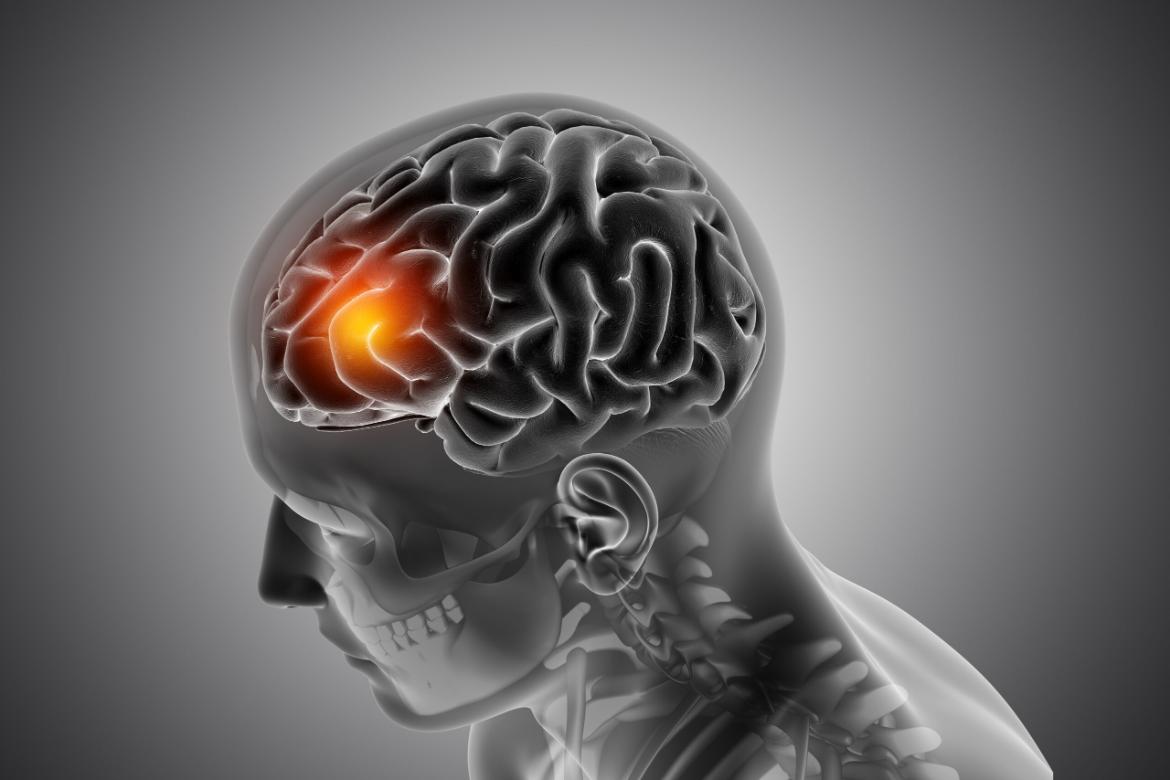
Catatonia is a neuropsychiatric condition that disrupts brain function, causing a person's responses to their environment to become abnormal. This alters how they understand the world and often occurs as a result of mood disorders or psychological distress.
Individuals exhibiting catatonic behaviors may be unresponsive to their surroundings or exhibit unusual behavior. Symptoms of catatonia include impaired communication, abnormal movements, a lack of movement, or changes in behavior.
Catatonia is a psychomotor disorder that affects the connection between mental function and movement. This condition is often psychological in origin, such as a mood disorder or bipolar disorder. Treatment options include medication and therapies. Medications typically help manage specific symptoms, while therapies focus on improving a person's emotional and mental state.
If left untreated, catatonia can lead to serious complications and a loss of connection to the world. Therefore, it is important for individuals experiencing symptoms of catatonia to consult a professional and receive appropriate treatment.
Factors causing catatonia
The factors that cause catatonia are complex and diverse. This condition can often be caused by neurotransmitter imbalances, mood disorders, and certain physical health problems.
- Neurotransmitter imbalance: Neurotransmitters associated with catatonia include dopamine, serotonin, and glutamate. An excess or deficiency of these chemicals can lead to brain chemical imbalances that can cause catatonia.
- Mood disorders: Mood disorders such as depression, bipolar disorder, and schizophrenia can trigger catatonic behaviors. These disorders can contribute to catatonic symptoms by contributing to mental health issues.
- Physical health problems: Physical health problems such as kidney problems, diabetes, thyroid problems, Parkinson's disease, and encephalitis can also cause catatonia. These conditions can disrupt body chemistry and interfere with the normal functioning of neurotransmitters.
- Medications: Some medications, especially mental health medications such as antipsychotics and antidepressants, can cause or exacerbate symptoms of catatonia.
- Genetic factors: Genetic predisposition may also influence the risk of catatonia. Individuals with a family history of similar mental health problems may be more likely to develop catatonia.
Catatonia is often the result of a combination of factors. It is important for individuals experiencing symptoms to seek comprehensive evaluation and appropriate treatment from a specialist.
What are the types of catatonia?
Catatonia is a condition that can be divided into different subtypes with unique symptoms. The most common types of catatonia are:
- Akinetic catatonia: This type of catatonia is characterized by a person staring blankly at their surroundings, struggling to respond, and sometimes remaining motionless in unusual positions. The person has great difficulty responding to what's happening around them.
- Excited catatonia: Excited catatonia is characterized by the ability to move but these movements being abnormal, impulsive, or meaningless. Individuals with this condition may exhibit agitated, combative, or aggressive behavior. They may also tend to mimic the movements of those around them.
- Malignant catatonia: Malignant catatonia focuses on the health problems that arise from catatonia. This condition can lead to serious complications, such as blood pressure fluctuations and body temperature fluctuations. Prolonged catatonia can lead to health problems such as dehydration or blood clots.
Each type of catatonia can vary depending on an individual's symptoms, reactions, and overall health. A person with catatonic symptoms should be evaluated by a qualified healthcare professional to determine an appropriate treatment plan.
What are the symptoms of catatonia?
Catatonia is a condition characterized by a variety of symptoms. These symptoms occur alongside abnormal behaviors toward the person's environment. Symptoms of catatonia may include:
- Immobility and unresponsiveness: Catatonic individuals may remain immobile and unresponsive to events happening around them. They may have difficulty interacting with other people.
- Abnormal behavior: People in catatonia may exhibit abnormal behaviors toward their environment. These behaviors may manifest in a variety of ways, including odd body positions, unusual gestures and facial expressions, and the production of strange sounds.
- Repetition: Symptoms of catatonia may include repetition. The person may tend to repeat words they hear.
- Body positions: Catatonic individuals may place their bodies in strange or abnormal positions. This may be manifested as unusual postures, slouching, or marked changes in physical condition.
- Harsh and aggressive behavior: In some cases, individuals with catatonia may exhibit a harsh and aggressive nature. This may manifest as aggression towards others or self-harm.
- Muscle rigidity: Catatonia may also be associated with muscle rigidity. An abnormal stiffness may be felt in the muscles.
The symptoms of catatonia can vary from person to person and often depend on the severity of the condition. Anyone exhibiting these symptoms should be evaluated by a healthcare professional and an appropriate treatment plan developed.
How is catatonia diagnosed?
A diagnosis of catatonia is usually made after a comprehensive evaluation by a healthcare professional. Below are some methods used to diagnose catatonia:
- Clinical assessment: A doctor, psychiatrist, or mental health professional conducts a clinical assessment by evaluating the person's symptoms and observing for signs of catatonia.
- Catatonia Rating Scale: The Catatonia Rating Scale can be used to diagnose catatonia. This scale is a tool for assessing catatonia symptoms and can help rate an individual's condition.
- Blood tests: Blood tests are performed to identify underlying physical health issues that can cause catatonia, such as hormonal imbalances, infections, or metabolic problems.
- Imaging tests: Imaging tests, such as computed tomography (CT) or magnetic resonance imaging (MRI), may be used to detect any abnormalities in brain structure. These tests can help identify the causes of catatonia.
- Brain activity tests: Brain activity tests, such as electroencephalography ( EEG ), can identify abnormalities in brain waves and evaluate neurological conditions.
Once a diagnosis of catatonia is made, a doctor will take steps to determine the underlying cause. Catatonia is often a symptom of another psychiatric disorder or may be associated with certain medical conditions. Based on this, a treatment plan is determined and appropriate treatment methods are implemented.
How is catatonia treated?
Catatonia treatment generally includes medications and therapy. Details regarding catatonia treatment:
Drug therapy:
- Benzodiazepines: These medications may improve catatonic symptoms by helping muscles relax.
- Antipsychotic medications: Antipsychotic medications may be used to manage catatonic symptoms in some cases.
- Electroconvulsive therapy (ECT): This treatment is typically used for severe conditions or those that don't respond to medication. It involves administering a mild electrical current to the brain to trigger a controlled seizure. ECT can provide rapid relief from catatonic symptoms.
Therapeutic approaches:
- Behavioral therapy: Can help an individual understand their behaviors and reactions to cope with catatonia.
- Family therapy: Family support and understanding can play an important role in the treatment process.
- Electroconvulsive therapy (ECT): This method is used in severe cases and can be effective in people who do not respond to medications.
Treatment of the underlying cause:
Catatonia can be a symptom of another medical or psychiatric condition, so it's important to identify and treat the underlying cause.
Treatment for catatonia can vary depending on the individual's condition, the severity of their symptoms, and the underlying cause. A treatment plan is typically determined individually by a healthcare professional. A combination of medication and therapeutic approaches often provides the most effective results. Regular follow-up and evaluations are also important throughout the treatment process.
