


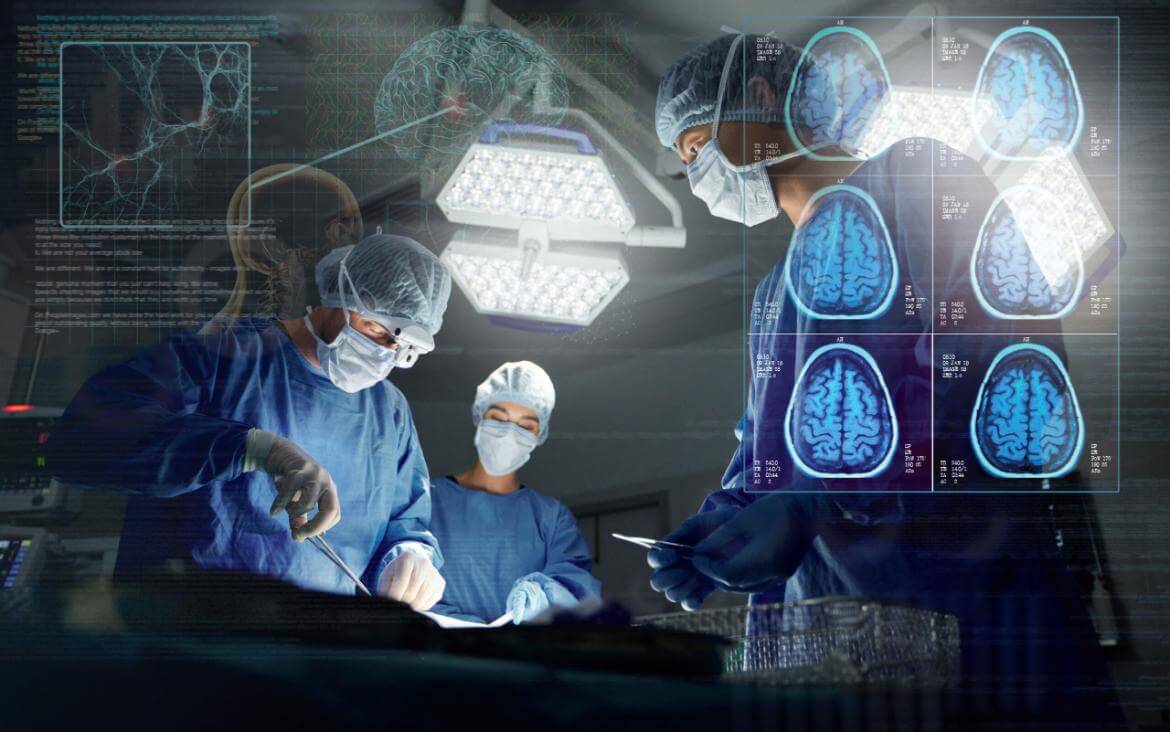
Brain and Neurosurgery Surgeries
What is an Aneurysm?
How is Aneurysm Surgery Performed?
What is Neurofibromatosis (NF)?
What is a Spine and Spinal Cord Tumor and How is Surgery Performed?
What is a Brain Tumor and How is Surgery Performed?
Cervical Disc Herniation Surgery
Herniated Disc Surgery
Brain and Neurosurgery Surgeries
It is a medical specialty that treats diseases or injuries of the brain or nervous system. Many different types of surgery are used in this field:
1. Craniotomy: This surgery involves removing the skull bones. It's performed to relieve pressure inside the brain due to conditions such as brain tumors, aneurysms, or bleeding.
2. Microsectomy / Endoscopy sinus surgery: This procedure is used to solve problems such as sinus infections, tumors or bleeding by entering through the nose.
3. Spine surgery: This type of surgery is performed to treat problems in any part of the spine. It can be performed for a variety of reasons, including spinal fractures, scoliosis, or spinal tumors.
4. Neurological surgeries: In this context, some surgeries are used in the treatment of neurological diseases such as brain damage, stroke and epilepsy.
5. Craniosynostosis surgery: This surgery is performed to treat craniosynostosis, a disease caused by the incorrect union of the skull bones in babies.
6. Stereotactic surgery: This method is used to locate tumors for radiation therapy.
7. Brain stimulation surgeries: Used in the treatment of neurological problems such as Parkinson's disease.
8. Cerebral angiography: This surgery is performed to treat abnormalities in the blood vessels.
Brain and neurosurgery is often quite complex and must be performed by an experienced surgeon. Depending on the type of disease, more than one type of surgery may be necessary. Therefore, an accurate preoperative diagnosis and treatment plan are crucial to maximize the chances of success.
The brain and nervous system are the most sensitive parts of the human body and the center of the codes that make it work. Therefore, surgical interventions in this area are extremely important and often life-saving.
Brain Surgery Surgeries
Brain surgery is a surgical procedure performed to treat health problems such as tumors, aneurysms, bleeding, epilepsy, and Parkinson's disease inside the head. Neurosurgical procedures are performed under anesthesia. The skull must be opened to allow the surgeon to access the tissues inside the brain. The equipment used in this surgery is highly advanced and precise. The surgeon performs the surgery using monitors. Risks of brain surgery include serious complications such as brain damage, infection, bleeding, stroke, or death. However, when performed successfully, neurosurgical procedures can be lifesaving.
Neurosurgical Surgeries
Neurosurgery is a surgical procedure performed to treat various diseases and injuries of the spinal cord and nervous system. These surgeries can prevent sensory loss, paralysis, and other serious health problems. Neurosurgery is performed under anesthesia. The surgeon opens a specific area to access the spinal cord or other nerve areas of the body. The instruments and technology used during the surgery are also highly advanced. Risks of neurosurgery include bleeding, infection, injury, and other complications. However, many neurosurgery procedures are performed successfully and help resolve patients' health problems. Brain and neurosurgery play an important role in human life, and the success rate of these surgical interventions is increasing. However, because the risks of these surgeries are significant, doctors carefully consider the procedure and exercise appropriate caution and care.

