


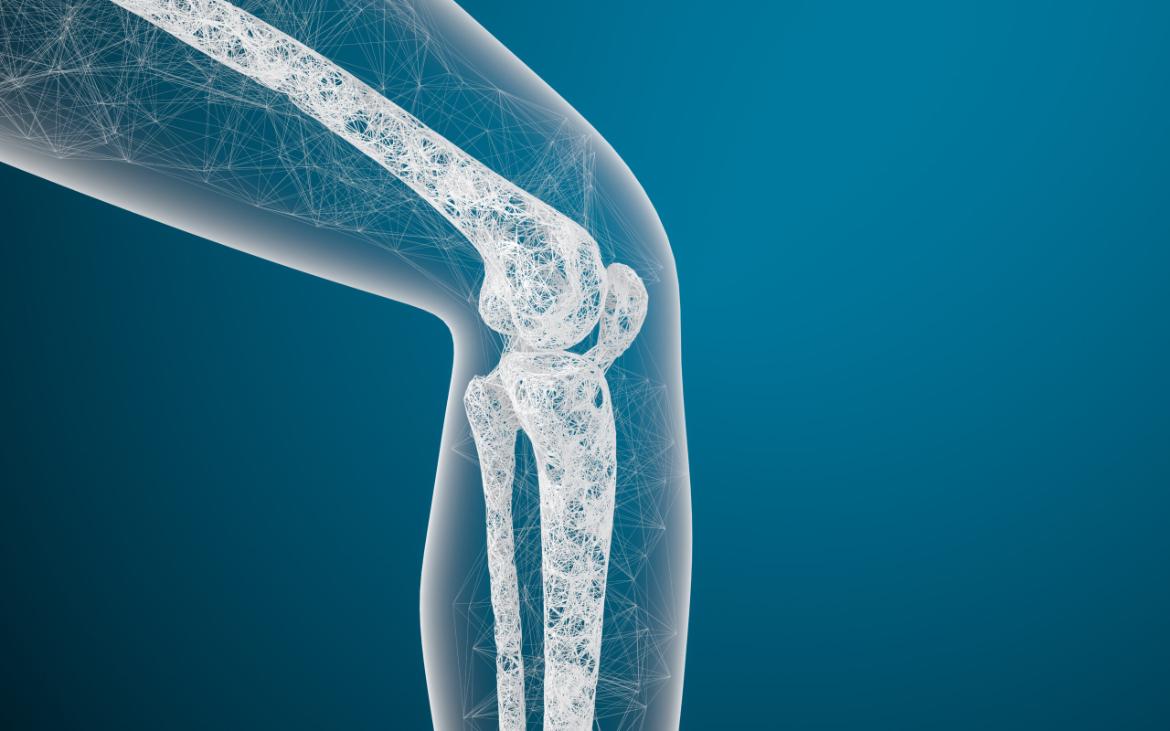
Bone Inflammation (Osteomyelitis)
Inflammation in bones caused by infection is called osteomyelitis. Such infections can occur when bones come into contact with microorganisms. This contact can occur directly within the bone after injury or surgery, or it can occur through the bloodstream from elsewhere in the body. Various factors contribute to osteomyelitis. For example, individuals with chronic diseases such as diabetes or kidney disease are at a higher risk of osteomyelitis than healthy individuals. This disease can occur at any age, but it frequently occurs in long-term bones (e.g., arms and legs) in children, and in adults, it typically occurs in the hip, shoulder, and foot bones.
Treatment of osteomyelitis is now possible thanks to advanced medical technology and medications. This disease, once considered incurable, can now be successfully treated. Early diagnosis and treatment are crucial, and treatment should be initiated as soon as possible to prevent the disease from progressing and becoming more serious. Therefore, it is crucial for individuals with symptoms of osteomyelitis to seek medical attention.
What are the types of osteomyelitis?
Bone inflammation (osteomyelitis) can occur in different types:
- Acute osteomyelitis: This type of bone inflammation infection occurs suddenly and is manifested by symptoms such as fever and severe pain.
- Chronic osteomyelitis: Chronic osteomyelitis is a long-term bone infection that persists despite treatment. It can cause bone pain and recurring pus drainage. This type of infection can go unnoticed for months or even years.
- Vertebral osteomyelitis: Vertebral osteomyelitis is a type of bone infection that affects the spine. It causes chronic back pain that worsens with activity and is generally unresponsive to conventional treatments such as rest, warmth, and painkillers. Fever is rarely present. Groups more susceptible to this type of infection include individuals living in nursing homes, those abusing intravenous drugs, and those undergoing dialysis.
These different types of osteomyelitis can vary in symptoms, treatment options, and risk factors. Therefore, it's important to seek the advice of a healthcare professional for proper diagnosis and treatment.
What are the symptoms of bone inflammation (Osteomyelitis)?
Osteomyelitis usually presents with the following symptoms:
- Bone pain: There may be a feeling of severe pain in the infected bone area.
- Tenderness: The infected area may be sensitive to touch.
- High fever : An increase in body temperature may occur, which can lead to fever, chills, and sweating.
- Weakness: There may be a feeling of general weakness.
- Swelling and redness: Swelling and redness may be observed in the infected area.
- Pain: A constant feeling of pain may be experienced in the infected area.
- Drainage: There may be yellow or green pus drainage from the infected area.
- Irritability or drowsiness: There may be a general feeling of irritability, restlessness, or drowsiness.
- Loss of appetite: Decreased appetite and weight loss may occur.
- Lower back pain: When osteomyelitis develops in the vertebrae, back pain may worsen, especially at night.
- Nausea and vomiting: In some cases, nausea and vomiting may occur.
In cases of osteomyelitis affecting the vertebrae, back pain may be more severe, especially at night, and movement limitations in the legs and hips may occur.
If you experience symptoms of osteomyelitis, it's important to see a healthcare professional immediately. Early diagnosis and treatment can reduce the risk of complications and help control the disease.
What are the causes of bone inflammation?
Bacterial infections: Staphylococcus bacteria are commonly implicated in most cases of osteomyelitis. These bacteria, commonly found on the skin, can enter bones and cause infection.
Fungal infections: In rare cases, fungal infections can also cause osteomyelitis. Infections can occur when fungi enter bones.
Bloodborne spread: An infection anywhere in the body can reach the bones through the bloodstream. For example, pneumonia in the lungs or a urinary tract infection in the bladder can reach the bones through the bloodstream, causing infection there.
Injuries: Injuries can make bones vulnerable to infection. Severe punctures, fractures, and cuts can increase the risk of osteoarthritis.
Surgical procedures: Surgical procedures such as the treatment of bone and joint diseases or fracture repairs may increase the risk of infection in the bones.
Risk factors:
- Advanced age
- Circulatory disorders (e.g., peripheral arterial disease)
- Diseases such as sickle cell anemia
- poorly controlled diabetes mellitus
- Foot ulcers in diabetic patients
- Smoking
- Receiving dialysis treatment
- Use of urinary catheters
- Long-term use of intravenous lines or catheters
- Certain medications used regularly
- Conditions that cause the immune system to weaken (e.g. unhealthy diet, cancer treatments, medications containing corticosteroids)
In individuals at risk of developing osteoarthritis, appropriate precautions should be taken to reduce the risk of infection and necessary medical follow-up should be provided.
How is osteomyelitis diagnosed?
- Medical history: The physician listens to the patient's symptoms and history in detail. Information such as chronic diseases, medications used, past infections, and family history are reviewed.
- Physical examination: The physician performs a physical examination of the patient. This includes observing for signs of infection, including swelling, warmth, tenderness, redness, and changes in mobility in the infected area.
- Blood tests: Osteomyelitis often triggers an inflammatory response in the body. Therefore, blood tests are used to assess the presence and severity of the infection. Parameters such as white blood cell count (WBC), C-reactive protein ( CRP ), and sedimentation rate (SED) can be helpful in monitoring the infection.
- Imaging tests: Medical imaging tests are used to determine bone structure and the extent of infection. These include X-rays, magnetic resonance imaging (MRI and MRI), computed tomography (CT), and sometimes bone scintigraphy. These imaging tests provide detailed images of infected bones and surrounding tissue.
- Bone biopsy: If the diagnosis is unclear or if treatment is unresponsive, a bone biopsy may be performed. This procedure involves taking a sample of infected bone and using laboratory tests to determine the type and cause of the infection.
Once a diagnosis is made, an appropriate treatment plan is developed to manage the patient's osteomyelitis. Early diagnosis and treatment reduces the risk of complications and helps achieve better outcomes.
How is bone inflammation (Osteomyelitis) treated?
Treating osteoarthritis can be complex, and the treatment approach may vary depending on the patient's condition, the type of infection, and its extent. The basic methods used to treat osteoarthritis are listed below:
- Antibiotic therapy: Antibiotics are the most common treatment for osteoarthritis. Appropriate antibiotics are prescribed depending on the type of microorganism causing the infection. This treatment can often be long-term and often involves the use of intravenous antibiotics.
- Surgical interventions: In cases of advanced or severe osteomyelitis, surgery may be necessary. This may involve removing infected bone tissue or providing drainage. Surgery may be unavoidable, especially if an abscess (a collection of pus) is present.
- Needle aspiration: A thin needle is used to drain pus from the infected area. This is important for controlling the abscess and preventing the spread of infection.
- Pain management: Pain relievers or anti-inflammatory medications can help the patient manage pain.
- Supportive treatments: Sometimes nutritional support and physical therapy may be necessary to accelerate the healing process and increase the patient's body resistance.
- Treating underlying conditions: If osteoarthritis is the result of another health issue, treating that underlying condition is also important. For example, any underlying conditions such as diabetes or poor circulation should be addressed.
Treatment for osteoarthritis can vary depending on the patient's condition and should be managed by a multidisciplinary healthcare team. Treatment can require long-term, multidisciplinary follow-up. Early diagnosis and treatment can reduce complications and promote a better recovery.
Is osteoarthritis dangerous?
Osteomyelitis (osteoporosis) is a serious medical condition and can be potentially dangerous if left untreated. However, early diagnosis and appropriate treatment can reduce the risks. Potential risks and complications of osteoporosis include:
- Spread of infection: Although osteomyelitis initially begins in the bone in one area, if left untreated, the infection can spread to other bones or different parts of the body.
- Abscess formation: During osteomyelitis, an abscess may form in the infected area. This abscess may require surgical drainage and can lead to serious complications if it spreads.
- Bone damage: Infected bones can become damaged over time. This can weaken the bones and increase the risk of fractures.
- Spread through blood: Osteoporosis can spread to other parts of the body through the blood, leading to organ infections.
- Chronic infection: If left untreated, osteomyelitis can become chronic. Treatment for chronic osteomyelitis can be more difficult and take longer.
- Amputation: Advanced bone infections, especially in the limbs, may require amputation if untreatable.
Therefore, anyone experiencing symptoms of osteoarthritis should seek medical attention immediately and begin receiving appropriate treatment if diagnosed. Early diagnosis and treatment can help prevent these dangers and promote a faster recovery.
