


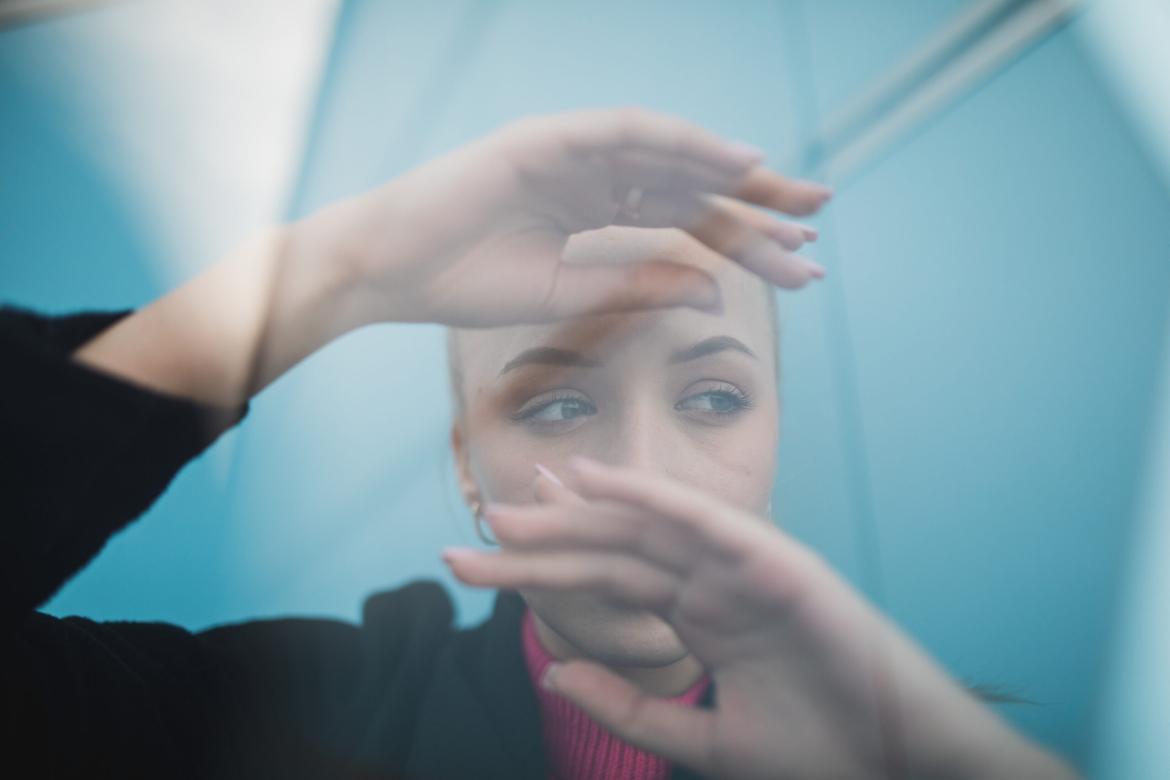
Body Image Disorder (Dysmorphophobia)
Dysmorphophobia is a psychological disorder characterized by an excessive obsession with perceived or exaggerated flaws in one's body. This can negatively impact daily life, social interactions, and self-esteem. Symptoms include spending time in front of a mirror, constantly checking for minor or perceived flaws, and attempting to conceal them. Dysmorphophobia often coexists with psychological problems such as depression and anxiety. Treatment typically includes cognitive behavioral therapy and sometimes medication. Recognizing this condition and seeking professional help is an important step in the recovery process.
Appearance is of great importance to many people. When appearance is overemphasized, it can be detrimental and lead to a condition known as body dysmorphia, or body dysmorphia. Body dysmorphia, commonly known as body dysmorphia, is a psychological disorder that complicates people's lives. To diagnose this perceptual disorder, the necessary tests should be conducted under the supervision of a qualified psychologist or psychiatrist.
Derived from the Greek word dysmorphia, meaning "ugliness," dysmorphophobia was first described in 1980. Since 2014, it has been associated with Obsessive-Compulsive Disorder. People with dysmorphophobia perceive even the slightest imperfection on their body as a flaw, turning it into a life-threatening problem. Over time, this disorder becomes an obsession, virtually destroying their lives. In body dysmorphic disorder, individuals obsess over and experience anxiety about physical flaws that are either non-existent or exaggerated. In some cases, a tendency to create imaginary flaws is also observed. Individuals may feel physically flawed and incomplete. This disorder may be difficult to detect unless examined by a qualified physician.
Causes of body image disorder (dysmorphophobia)
The causes of body dysmorphia, or body image disorder, can be attributed to a variety of factors. This disorder typically arises from an excessive obsession with perceived flaws in one's own body, either nonexistent or exaggerated. Factors that influence the development of body dysmorphia may include:
- Genetic factors: Having a first-degree relative with body dysmorphia may increase the likelihood of developing the disorder. Genetic predisposition may also play a role in the development of dysmorphophobia.
- Biological factors: Biological factors such as serotonin reuptake inhibitors (SRIs) are thought to have an impact on dysmorphophobia. However, further research is needed on this topic.
- Childhood traumas: Traumatic experiences such as growing up with constantly critical parents or being humiliated and ridiculed during childhood can trigger the development of body dysmorphic disorder.
- Psychological factors: Existing psychological disorders (e.g., eating disorders, anxiety, depression) may contribute to the development of body dysmorphic disorder.
- Puberty and low self-esteem: Body changes during puberty can lead to low self-esteem and negative body image, especially in perfectionistic individuals.
- Social environment: Social media's beauty standards and popular body image perceptions can negatively impact individuals. The influence of the beauty industry on social media may increase the risk of dysmorphophobia.
A combination of these factors can lead to an individual developing body dysmorphic disorder. Therefore, professional help is essential to understand and treat this condition.
Symptoms of body dysmorphia (dysmorphophobia)
Symptoms of dysmorphophobia, which can be observed in individuals' daily lives, often include spending long periods of time in front of a mirror, perceiving minor flaws as major flaws, and obsessing about their appearance. Symptoms of body dysmorphia can be listed as follows:
- Spending too much time in front of the mirror: Individuals tend to constantly check and evaluate themselves in front of the mirror.
- Perceiving minor flaws as major problems: The person exaggerates minor flaws, which are usually objectively unimportant, and feels as if they are a major problem.
- Over-makeup: They may tend to constantly wear excessive makeup to cover non-existent or slight imperfections.
- A need for constant change: They may try to change themselves constantly, trying to fix or hide flaws.
- Constant comparison: The individual constantly compares himself with the people around him and usually evaluates himself negatively.
- Need for approval: They often need approval from others about their appearance.
Individuals with dysmorphophobia may tend toward social isolation due to their obsession with appearance. Shyness, obsessive-compulsive personality traits, and withdrawn behaviors are common personality traits.
How is dysmorphophobia diagnosed?
A consultation with a qualified clinical psychologist or psychiatrist is absolutely essential for a diagnosis of dysmorphophobia. Body dysmorphic disorder can begin with mild symptoms and, over time, reach levels that interfere with a person's daily life. Therefore, diagnosis should be made under the supervision of a qualified physician and with the necessary tests.
Body dysmorphic disorder can have cycles of remission and exacerbation, and this process can be difficult to assess objectively. Identifying this disorder can be particularly challenging in individuals who have undergone cosmetic surgery. Consulting a specialist psychologist early when symptoms begin can positively impact the treatment process.
When making a diagnosis, attention is paid to the individual's various psychological and physical conditions. This allows for a holistic approach to treatment. Diagnosing dysmorphophobia requires a specialist evaluation to understand the symptoms a person is experiencing, identify their origins, and determine appropriate treatment options.
How is dysmorphophobia treated?
Treatment for body dysmorphic disorder requires individuals to undergo a specific psychological treatment process. This process addresses concerns about their appearance. Some individuals may choose physical surgery to address this condition. However, those who prefer psychological treatment typically manage their treatment under the guidance of a psychiatrist or clinical psychologist.
Cognitive behavioral therapy is a widely used treatment for body dysmorphic disorder. In this type of therapy, the patient is first provided with education about the disorder. Then, through psychotherapy sessions, the focus is on physical anxieties and the thoughts they trigger. The treatment process, guided by the therapist, aims to help the individual achieve the necessary level of awareness and promote healing.
The length of treatment may vary depending on the therapist's judgment and the client's wishes. If necessary, the therapist may recommend medication to supplement treatment. Treatment is individualized based on the individual's level of discomfort, response to treatment, and goals.
Dysmorphic disorder and genetic influences
To definitively interpret the causes of dysmorphic disorder, the individual must undergo a diagnostic process with the help of a specialist psychologist or psychiatrist. However, research indicates that body image disturbances in first-degree relatives may indicate a genetic predisposition. In this case, genetic factors may be at play. However, genetic predisposition alone may not be the cause of this disorder, as it can arise from a combination of factors. Therefore, it is important to remember that environmental, psychosocial, and biological factors, in addition to genetic predisposition, may also play a role.
What is social media dysmorphophobia?
Social media dysmorphophobia can be defined as a person's discomfort with their own appearance when liking photos edited with social media filters. This condition isn't limited to the photos themselves, but can also stem from the perception of beauty presented on social media in general, the posts of social media celebrities, or the beauty industry's efforts to create a uniform profile.
