


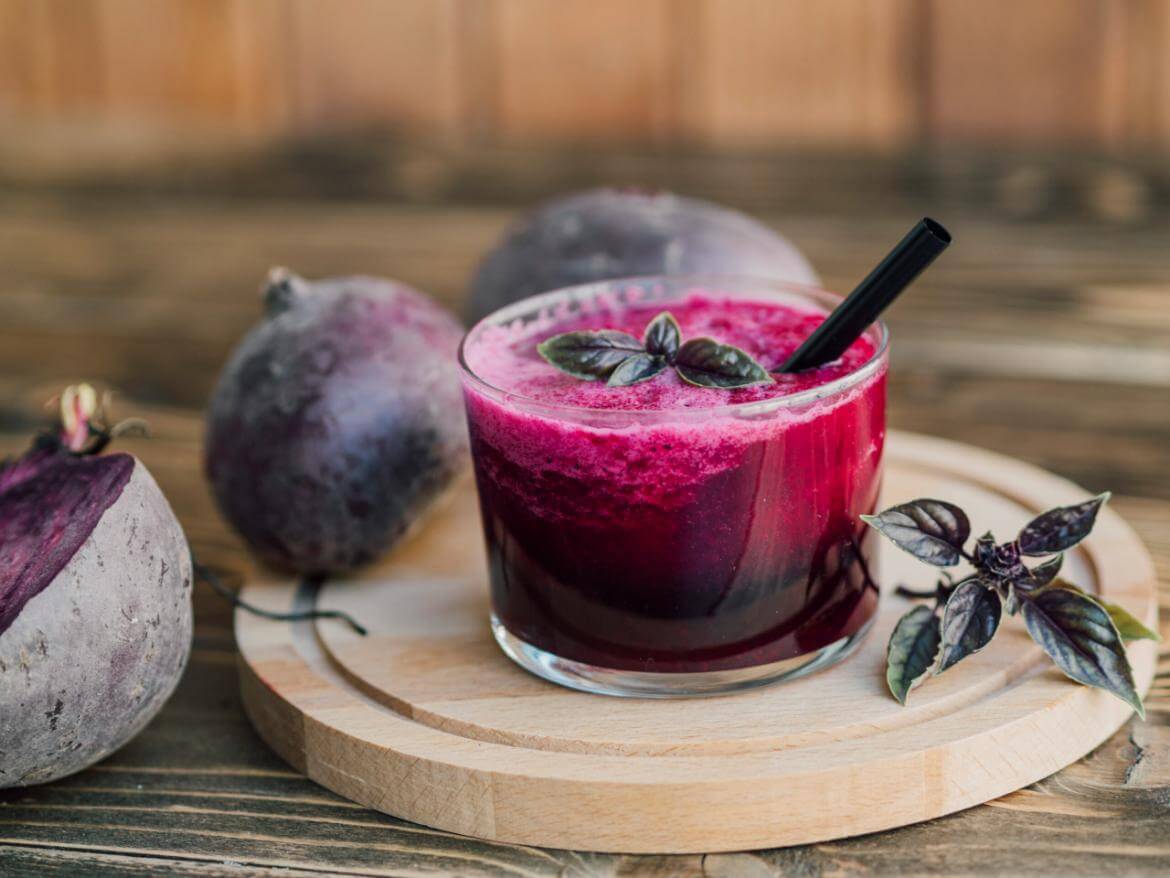
Benefits of Turnip
It's a root vegetable with many health benefits and is widely grown worldwide. This vegetable, belonging to the Brassicaceae family, originates from Scotland and Ireland. Turnips, a common ingredient in European, Asian, and East American cuisine, are also edible, as are their leaves and sprouts. They're about the size of an apple and develop a light purple area on top when exposed to sunlight. Thanks to the vitamins and minerals they contain, they offer numerous health benefits. They strengthen the immune system, increase energy levels, aid weight loss, and support cardiovascular health. Furthermore, thanks to their anti-inflammatory properties, they improve skin health. For this reason, they're cultivated in many countries and are a popular culinary staple. They're an important food with a long history and have been consumed by humans for thousands of years. Rich in vitamins A and C, lutein, and carotenoids, the greens of this plant can be used in soups and stews, while the root can be pickled and consumed.
Nutritional Value of Turnip
It's a root vegetable rich in vitamins and minerals. It contains nutrients like vitamin C, vitamin B6, vitamin K, folate, niacin, and choline. It also contains Omega 3 and 6 fatty acids, dietary fiber, sodium, and potassium. Turnips offer numerous health benefits and are a good choice for those looking to lose weight because they contain zero cholesterol.
130 grams of turnip, when consumed raw, contains the following nutritional values:
- Calories : 36
- Carbohydrate: 8 grams
- Fiber: 2 grams
- Protein : 1 gram
- Vitamin C: 30% of the daily value
- Folate: 5% of the daily value
- Phosphorus: 3% of the daily value
- Calcium: 3% of the daily value
What are the benefits of turnip?
It is a root vegetable rich in antioxidants and dietary fiber that offers many health benefits. It contains approximately 28 calories per 100 grams.
Benefits:
- Strengthens the immune system: Turnips, which contain high amounts of vitamin C, strengthen the immune system and protect the body against bacteria and viruses. Vitamin C also acts as an antioxidant by fighting free radicals.
- Reduces cancer risk: The vitamins and minerals it contains protect against various types of cancer. Its antioxidant properties help repair damaged cells and reduce the risk of cancer.
- Supports digestive health: Turnip juices and enzymes play a role in digestive health, helping to regulate it. This helps prevent digestive problems such as indigestion, constipation, and stomach infections.
- Supports weight loss: Thanks to its high fiber content and low calorie content, turnips can help those who are losing weight. Fiber helps keep you full for longer, controlling the urge to eat and reducing daily calorie intake.
- Improves skin health: The B vitamins and vitamin C it contains are beneficial for skin health. Vitamin C, in particular, prevents skin damage and keeps skin radiant. It can help reduce wrinkles and prevent signs of aging.
What are the benefits of turnip juice?
It contains many nutritional values that provide health benefits. It contains important nutrients such as fiber, protein, vitamin C, folate, phosphorus, and calcium. The benefits of turnip juice can be listed as follows:
- Effective against asthma: Thanks to its vitamin C and anti-inflammatory properties, it can have a preventive effect. Asthma sufferers can alleviate symptoms by consuming turnip juice regularly.
- Lowers blood pressure: With its potassium content, turnip juice can help lower blood pressure. Regular consumption is recommended for those with high blood pressure.
- Supports bone health: may help strengthen bones and reduce the risk of osteoporosis.
- Strengthens digestive health: Thanks to its fiber content, it supports the digestive system and prevents constipation. Healthy digestion helps with the proper digestion and absorption of nutrients.
- Supports weight loss: Despite being low in calories, it's a good source of fiber. It regulates digestion and can aid weight loss by increasing feelings of fullness. It's an ideal drink for those trying to lose weight.
Are there any side effects of turnip?
It's generally considered a healthy vegetable and safe for most people to consume. However, some people should be cautious when consuming it in certain situations and be aware of possible side effects. Some possible side effects include:
- Stomach upset: It may cause stomach upset in some people. Those with sensitive digestive systems or stomach disorders such as gastritis should be careful when consuming turnips.
- Allergic Reactions: Turnips, which belong to the Brassicaceae family, can cause allergic reactions in some people. These individuals may experience allergic reactions to turnips, so it's important for those with allergic reactions to consult a healthcare professional before consuming them.
- Kidney stones: Turnips contain a compound called oxalate. Oxalate can contribute to kidney stone formation in some people. Therefore, those who have kidney stones or are at risk for them should be careful when consuming turnips.
- Interactions: It may interact with some medications, especially blood thinners, so it's important for people taking these medications to consult their doctor.
However, side effects are generally rare and it is considered safe for most people. However, if you have any health conditions or are taking medication, it is important to consult a healthcare professional before consuming turnip greens.
How much turnip juice should be consumed per day?
Daily intake may vary depending on a person's overall health, age, weight, and other dietary intake. In general, 1 to 2 cups (approximately 240–480 ml) per day is appropriate for healthy adults.
However, everyone's individual needs are different, and excessive consumption is not always recommended. It's important to consult a healthcare professional to determine your intake, especially if you have existing health conditions or are concerned about any medical conditions or medications.
Is turnip juice good for anemia?
Its iron, folic acid, and vitamin C content can be particularly effective in combating anemia. Vitamin C, in turn, helps the body use iron more effectively by increasing iron absorption. Therefore, regular consumption can increase the body's iron absorption and support the fight against anemia. However, it's important to remember that beet juice alone may not be sufficient for serious health conditions such as anemia. For anemia treatment, it's important to follow your doctor's recommended treatment plan and follow a balanced diet. It's important to consult a healthcare professional before starting any health condition or treatment.
