


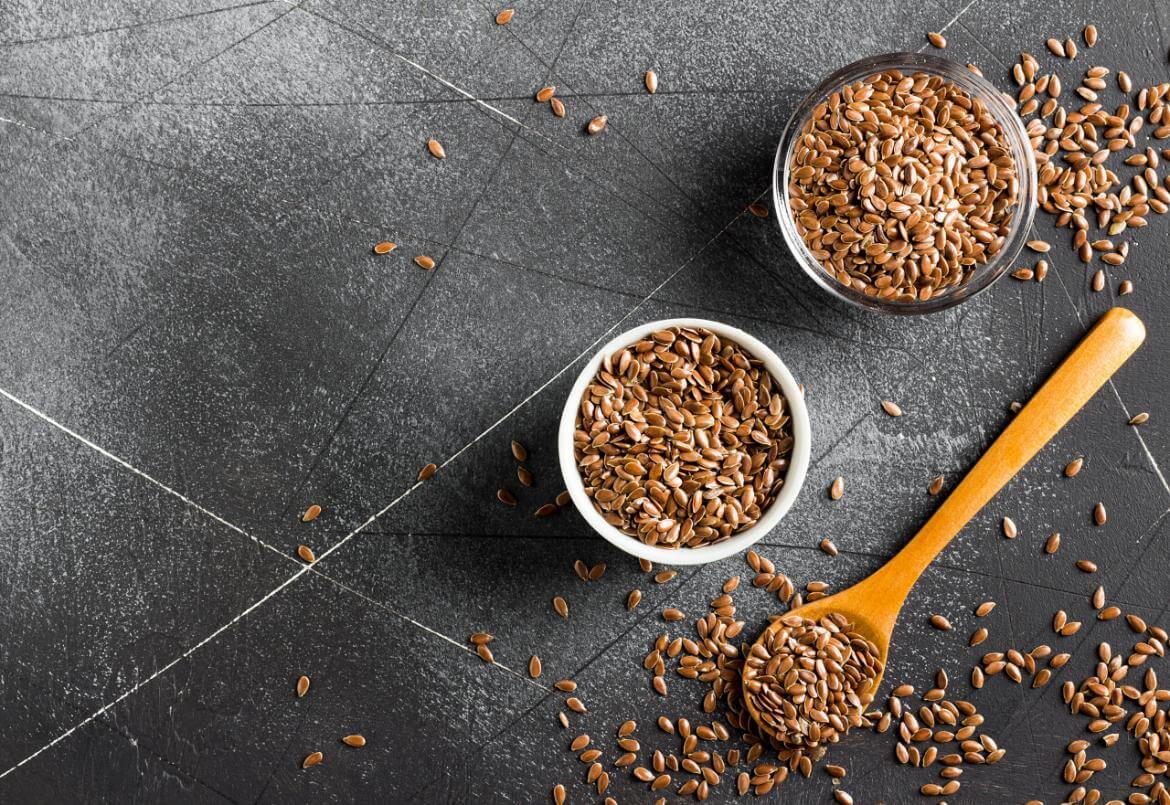
Benefits of Flaxseed
Flaxseed is a healthy food source, first cultivated in Egypt and gaining popularity worldwide. It comes from the seeds of the flax plant, which belongs to the Linaceae family. These seeds contain numerous nutritional components that provide numerous benefits to the body and have recently gained prominence as an important food source. The flax plant is a single-stemmed, annual plant with gray-green leaves and blue flowers.
One tablespoon of flaxseed contains approximately 37 calories and about 2 grams of fiber. They are also known as a rich source of omega-3 fatty acids. Because flaxseeds are difficult to digest, it's generally recommended to consume them ground. This can help the body better absorb the seeds' nutrients.
What are the nutritional values of flaxseed?
According to data released by the United States Department of Agriculture, the nutritional values of one tablespoon of ground flaxseed weighing 7 grams are as follows:
- Energy: 4 calories
- Protein: 28 grams
- Fat: 95 grams
- Phosphorus: 9 milligrams
- Folate: 0.9 micrograms (mcg)
- Carbohydrate : 2.02 grams
- Fiber: 91 grams
- Calcium: 8 milligrams
- Magnesium: 4 milligrams
- Potassium: 9 milligrams
- Lutein and Zeaxanthin: 6 micrograms (mcg)
How to use flax seeds?
When using flaxseed, it's crucial to consume it in ground form. Consuming whole flaxseed can be difficult for it to pass through the digestive system and provide benefits. Additionally, flaxseed is available in various forms as a dietary supplement. Flaxseed, effective in reducing cancer risk and benefiting overall health, can be purchased in powder, tablet, or capsule form. These different forms can be consumed in various ways, depending on ease of use and preference.
What are the benefits of flaxseed? What are its benefits?
Flaxseed has many benefits and these benefits can be listed as follows:
- Rich in omega-3 fatty acids: Flaxseed contains alpha-linolenic acid (ALA), a type of omega-3 fatty acid that is important for heart health.
- Antioxidant Content: Flaxseed is rich in antioxidants, which protect the body from free radicals. This feature plays an important role in protecting the body against disease.
- Source of fiber: Flaxseed contains both soluble and insoluble fiber, which regulates the digestive system, supports intestinal health, and improves digestion.
- Cholesterol -lowering effect: Thanks to the phytosterols it contains, flaxseed can reduce cholesterol absorption in the intestines, thus helping to lower cholesterol levels.
- Reducing cancer risk: Components in flaxseed, especially omega-3 fatty acids, can slow the proliferation and growth of cancer cells, which may help in reducing the risk of cancer.
- Balancing blood sugar: Thanks to its high fiber content, it can help keep blood sugar under control, which can be especially beneficial for those with diabetes.
- Improving skin health: Thanks to the lignans and fatty acids it contains, flaxseed supports skin health, moisturizes and protects the skin with its antioxidant properties.
- Saturating feature: Thanks to its fiber content, it gives a feeling of satiety, which can be helpful when controlling weight or dieting.
Flaxseed is typically used ground or powdered and can be added to various dishes, smoothies, yogurt, or salads. However, it's important to consult a healthcare professional before consuming flaxseed and to ensure you don't exceed the recommended daily intake.
How to use flax seeds?
There are several ways to consume flaxseed, and using it in ground form is beneficial for digestion. Here are some ways to consume flaxseed:
- Use in smoothies or drinks: You can consume flaxseed powder by adding it to smoothies, juices, or other beverages. Adding flaxseed to your drink can make it more nutritious.
- Mixing with yogurt or muesli: You can mix flaxseed powder into yogurt or add it to breakfast cereals, muesli, or granola to add extra nutritional value to your daily diet.
- Use in cooking: You can add flaxseed powder to pastries like cakes, cookies, and bread, or to baking recipes. Adding flaxseed to these foods not only increases their nutritional value but also offers a healthy alternative.
- Adding flaxseed to meals: You can consume it healthily by adding it to meat or vegetable patties, soups, or other dishes. Flaxseed used in cooking can add a nutritious boost to your meal.
Consuming ground flaxseed allows for easier absorption by the digestive system. However, grinding flaxseed and using it fresh before consumption can improve digestion and allow for better absorption.
Are there any risks to consuming flaxseed?
Flaxseed is generally considered a healthy food, but it can pose risks in some cases. Caution is advised when consuming flaxseed, especially in the following situations:
- Use of blood-thinning medications: Flaxseed contains omega-3 fatty acids and may have blood-thinning properties. Therefore, it is important for people taking blood-thinning medications to consult a healthcare professional before consuming flaxseed.
- Allergic reactions: Some people may be allergic to flaxseed. Flaxseed can cause allergic reactions, especially in people with a known allergy to the seed. In cases of allergy , it's important to consult your doctor before consuming.
- Pregnancy and breastfeeding: Pregnant or breastfeeding women are advised to consult their doctor before consuming flaxseed. In some cases, flaxseed consumption may not be recommended due to hormonal changes during pregnancy or breastfeeding.
- Intestinal issues: Flaxseed may cause digestive issues in some people. This may exacerbate constipation or digestive issues. Therefore, it's important for those experiencing digestive issues to consult their doctor before consuming flaxseed.
It's important to consult your doctor about any health conditions or medications you're taking before consuming flaxseed. Because everyone's body is different, the individual effects of flaxseed may vary from person to person.
Does flaxseed help lose weight?
Flaxseed is a healthy food that can help keep you full thanks to its fiber and other nutrients. By making you feel full, it can reduce the urge to overeat and help with weight management.
Its fibrous structure slows digestion, which can help you feel fuller for longer. This can be especially helpful in reducing uncontrolled snacking during weight loss.
It has been reported that flaxseed may improve insulin resistance, thus contributing to the reduction of body fat. However, there is no definitive and universally accepted evidence on this matter.
There is no definitive scientific evidence that it boosts metabolism or increases fat burning. Its effectiveness in supporting weight loss should be evaluated solely as a food, in conjunction with regular consumption and overall health and nutritional regimen.
Thanks to its antioxidant content, flaxseed can increase body efficiency and support healthy weight loss. However, it shouldn't be considered a food with miraculous weight loss properties on its own. When consumed alongside a balanced diet and regular exercise, it can support weight loss. Therefore, consuming flaxseed alongside a healthy lifestyle can contribute to weight management.
Does flaxseed lower testosterone?
The omega-3 fatty acids found in flaxseed may reduce testosterone levels. Some studies have shown that taking flaxseed supplements and reducing overall fat intake can significantly impact testosterone levels. Excessive consumption of omega-3 fatty acids, in particular, can impact hormonal balance and lower testosterone levels. However, while research on this topic is not fully conclusive, the effects of flaxseed consumption on testosterone levels may vary among individuals. Therefore, it's recommended to consult a doctor before consuming flaxseed, as it can affect hormonal balance.
How should flax seeds be stored?
Flaxseed is a food that runs the risk of oxidation due to increased exposure to air, especially when ground or powdered. Therefore, it's recommended to purchase it whole and consume it fresh whenever possible.
If flaxseed is preferred in powder form, storage conditions are important. It's important to store flaxseed in glass jars and store it in airtight, light-tight containers. Additionally, it's best to purchase powdered flaxseed in small quantities and consume it before it's left to sit for extended periods. This can help preserve the product's freshness and nutritional value.
Storing flaxseed in a cool, dry place away from direct sunlight can slow down the oxidation process and preserve the quality of the product.
