


Benefits of Chard
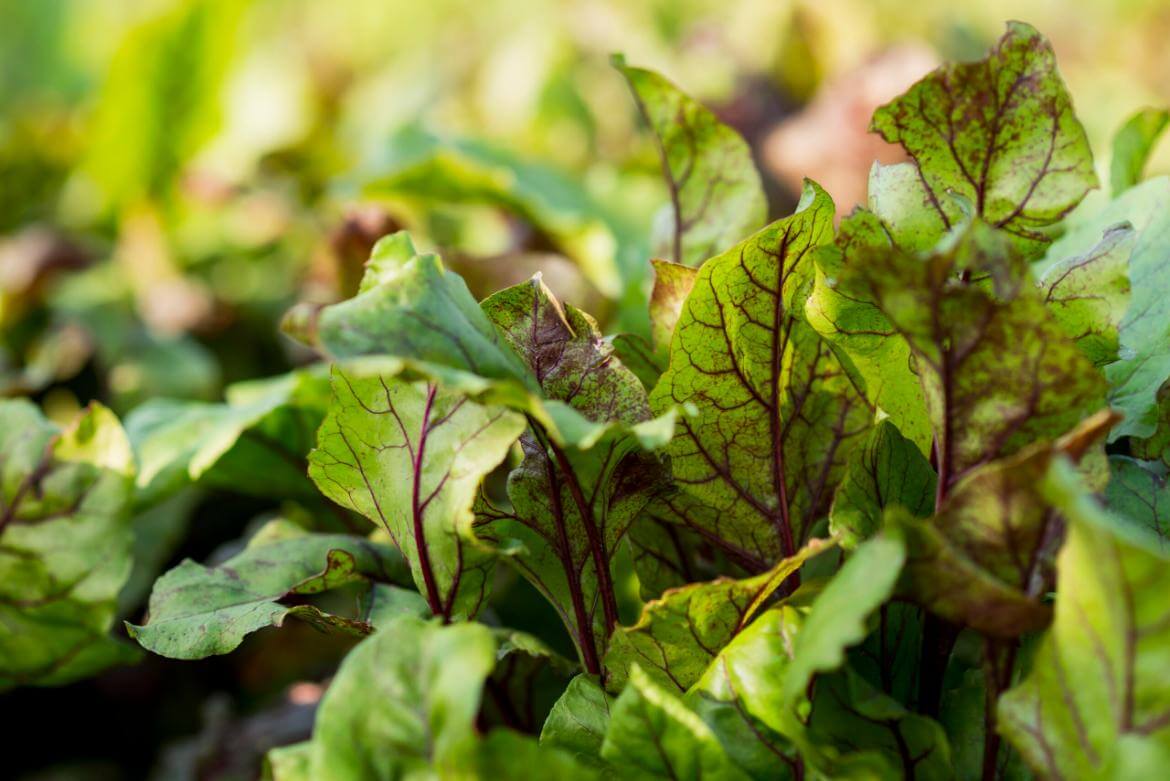
Swiss chard, a member of the spinach family, offers numerous health benefits with its rich vitamin and mineral content. Commonly grown in the Aegean, Marmara, and Mediterranean regions, this plant stands out with its large, green leaves.
Chard is known for its large, fleshy leaves and contains a variety of minerals. Scientifically known as Beta vulgaris, chard is an easily digestible, low-calorie plant rich in vitamins and minerals. It can be consumed raw in salads or as a stew or stuffed vegetable. Also known as spinach or wild beet, chard's benefits may support health and protect against various diseases.
Thanks to its rich fiber content, chard can regulate the digestive system and prevent constipation. Its folic acid content makes it a valuable nutrient, especially for pregnant women. However, due to its benefits and harms, caution should be exercised in consuming chard.
Nutritional value of chard
Chard is a plant noted for its broad, fleshy leaves and is known for its diverse stem types. The red-stemmed variety is particularly rich in iron. Chard with green leaves is highly valuable for its vitamins and minerals. The nutritional values of chard:
- Vitamin A: Consuming one cup of chard daily can meet about half of an adult's vitamin A needs.
- Vitamin K: Chard contributes to the regulation of the circulatory system with its vitamin K content.
- Antioxidants: Chard is a source of antioxidants, which protect the body from free radicals.
- Vitamin content: Chard leaves contain vitamins C, B6 and E.
- Minerals: It contains many minerals such as potassium, phosphorus, magnesium, zinc, selenium, calcium and sodium.
- Other components: It is a plant rich in components such as thiamine, beta-carotene and riboflavin.
The nutritional value of chard includes a variety of vitamins, minerals, and antioxidants that provide numerous health benefits. However, to fully reap its benefits, it's important to consume chard as part of a balanced diet.
Benefits of chard
Chard offers a variety of health benefits with its rich nutritional value and antioxidant content. The benefits of chard include:
- Appetizing and large leaves: The large leaves of chard have an appetizing feature when used in salads.
- Regulating the digestive system: Thanks to its high fiber content, chard can offer regulating effects on the digestive system and can be a natural solution, especially for those who have constipation problems.
- Strengthening the immune system: Chard can protect the body against diseases by strengthening the immune system with its antioxidant content.
- Cardiovascular health: Regular consumption of chard can reduce the risk of cardiovascular disease and lower blood pressure.
- Regulating blood sugar: Chard may contribute to the prevention of diabetes with its blood sugar regulating effects.
- Skin, hair and eye health: Chard can support the protection of skin, hair and eye health with the nutrients it contains.
- Antioxidant effect: Thanks to its antioxidant compounds, chard can support cellular health by preventing cell damage caused by free radicals.
- Mineral content and bone health: With its rich mineral content, chard can strengthen bones and support bone development.
These benefits of chard can occur when consumed regularly and varied as part of a balanced eating plan. However, if you have any health concerns or special diet concerns, it's important to speak with a healthcare professional.
Benefits of red chard
Red chard is a plant that stands out with its red stems, unlike its green-stemmed counterparts. Benefits of red chard:
- Rich in iron: The new shoots of red chard, in particular, are rich in iron. This property may provide potential support for those suffering from anemia.
- Vitamin and mineral storehouse: Its fleshy leaves contain many vitamins and minerals. These nutrients can contribute to the body's daily needs.
- Digestive support: Red chard, when consumed in pickled form, may support digestive health. Pickles may contain probiotic bacteria that aid digestion.
- Antioxidant effect: Thanks to the antioxidants it contains, red chard may play a role in the fight against free radicals, which may support cellular health.
- Use in pickled form: Red chard can also be used in pickles. Pickles may have digestive and intestinal health-supporting properties.
To fully reap the benefits of red chard, it's important to include it in a balanced and varied diet. However, if you have any health concerns or special dietary requirements, it's important to consult a healthcare professional.
Health benefits of chard: What diseases is it good for?
Chard is a valuable plant for its rich vitamin and mineral content, as well as its fiber content. Its potential benefits against certain diseases include:
- Diabetes: Regular consumption of chard may play a role in reducing insulin resistance. According to the American Diabetes Association, chard may help combat diabetes by reducing insulin resistance.
- Cancer: Scientific studies show that chard may have protective effects against cancer. Its fiber content and antioxidants may help reduce cancer formation.
- Cardiovascular health: Chard may be effective in reducing the risk of cardiovascular disease. It may play a role in protecting against heart disease by helping prevent high blood pressure.
- Anti-Inflammatory: Chard may have anti-inflammatory effects thanks to its antioxidant compounds, such as flavonoids and kaempferol. This property may help combat various inflammatory diseases.
- Urinary tract health: With its diuretic properties, chard can prevent inflammation in the urinary tract and support overall urinary tract health.
To fully reap these health benefits, it's recommended to regularly include chard in a balanced diet. However, if you have any health concerns or special dietary requirements, it's important to consult a healthcare professional.
What are the effects of chard on blood pressure?
The magnesium found in chard is known for its contribution to blood pressure regulation. Magnesium can help dilate blood vessels, improving blood flow. It's also a rich source of potassium, which can have positive effects on blood pressure control.
When we consider the benefits of chard, it can be said that consuming its green leaves, especially boiled ones, can meet approximately one-third of your daily magnesium and potassium needs. Thanks to these properties, chard can play a role in supporting healthy blood pressure.
It's important to remember that everyone's body is different, and reactions to foods can vary. Therefore, it's always important to consult a qualified healthcare professional about any health conditions or special diets.
Situations to consider when consuming chard
Chard, with its minerals such as potassium, iron, and magnesium, is an important source for the healthy functioning of body systems. However, like any food, consumption of chard should be limited or limited to recommended amounts in certain circumstances. Here are some things to consider when consuming chard:
- Digestive issues: Chard may cause nausea or vomiting in people with digestive issues. Therefore, it's important for those with digestive sensitivities to consume chard with caution.
- Pregnancy: Chard is rich in folic acid, and consuming this mineral is important during pregnancy. However, excessive consumption can lead to problems related to excessive folic acid intake. Therefore, pregnant women are advised to consume chard in moderation.
- Drug Interactions: Because it can interact with certain medications, it's important for those taking blood-thinning medications, especially those taking chard, to be careful when consuming chard. Because chard contains vitamin K, it can reduce the effectiveness of blood-thinning medications.
Because everyone's health is different, it's recommended that people with specific diets or health issues consult a healthcare professional before consuming chard. This way, a nutritional plan tailored to your individual needs can be developed and potential risks can be mitigated.
How to consume chard?
Chard is a versatile vegetable that can be enjoyed with its succulent green leaves and stems. It can be enjoyed raw or cooked. Ways to consume chard:
- Wash the leaves thoroughly and consume them raw: Despite their large size, chard leaves can be consumed raw as a salad. After thoroughly washing and cleaning the leaves, they can be mixed with other vegetables to create a healthy salad.
- Use in stews: With its large leaves and stems, chard can be used in stews. Chopped and added to dishes, chard releases its flavor and provides a nutritional boost.
- In roasted dishes: Swiss chard can also be used roasted, as in spinach-and-egg dishes. Chopped leaves can be lightly sautéed in a pan and topped with an egg for a delicious dish.
Swiss chard, regardless of how it's consumed, contributes to a healthy diet. However, it's important to remember that its nutritional value can vary depending on the cooking method.
Chard: A natural support in the fight against constipation
Chard is known for its fiber-rich herbaceous properties and its digestive properties. These properties mean that chard can help combat constipation. It can be consumed raw as a salad or cooked in a stew, and it can help regulate digestive movements.
For those experiencing constipation, chard's fiber content can help increase bowel movements and promote more regular digestion. Furthermore, because chard is thought to have protective effects on intestinal health, it's recommended to consume it several times a week.
However, because everyone's health is different, their body's response to it may vary. Therefore, those with serious health conditions or following a special diet should consult a healthcare professional before consuming Swiss chard or any other food regularly.
