



Benefits of Black Cumin Oil
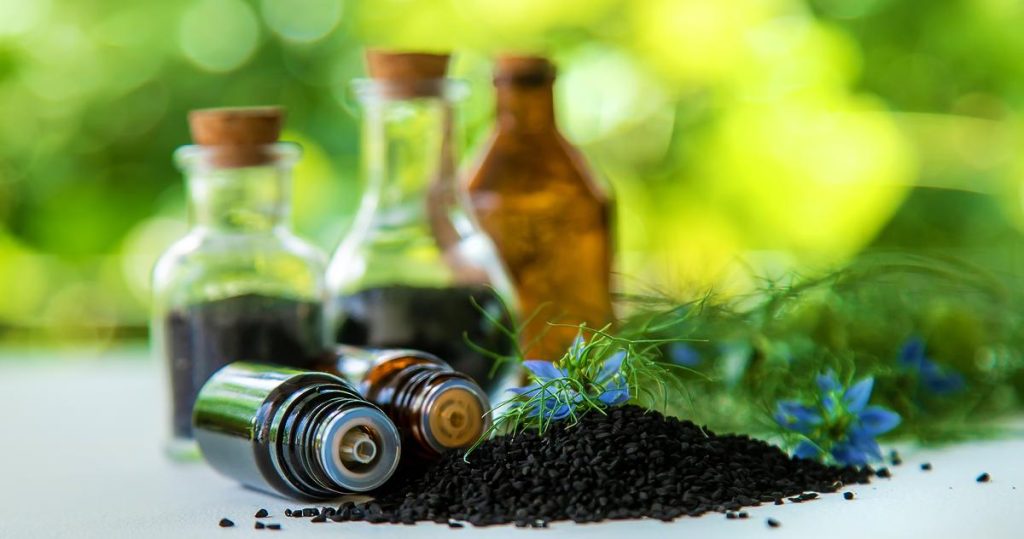
Black cumin seed oil is an oil obtained by cold-pressing the seeds of the black cumin plant. Black cumin is the seed of the plant whose Latin name is Nigella sativa. It is also known as black cumin or black cumin. Black cumin is a plant native to Asia, the Middle East, and the Mediterranean regions and has been used for many years.
Black cumin seeds are about the size of sesame seeds and are black in color. They are used as a spice and to add flavor to stews, breads, desserts, pickles, and a variety of other foods. They have also been used in traditional medicine for their health benefits.
Black cumin seed is quite rich in essential oils, proteins, fiber, carbohydrates, minerals (iron, magnesium, calcium), and vitamins (A, B, C, D, and E). It is also known to have antioxidant and anti-inflammatory properties.
Nutritional value of black cumin
Typical nutritional values of black cumin:
100 grams of black cumin seeds contain approximately the following nutrients:
- Energy: 345 calories
- Protein: 16.5 grams
- Fat: 23.8 grams
- Carbs: 44.2 grams
- Fiber: 10.8 grams
- Sugar: 2.3 grams
- Calcium: 931 mg
- Iron: 9.6 mg
- Magnesium: 390 mg
- Phosphorus: 499 mg
- Potassium: 1,694 mg
- Sodium: 168 mg
- Vitamin A: 98 IU
- Vitamin C: 0.5 mg
Additionally, black cumin seeds contain bioactive compounds such as essential oils and antioxidants. The main active compounds in black cumin include thymoquinone, tannins, flavonoids, sterols, and omega-3 fatty acids.
Black seed may offer various health benefits due to this combination of nutrients and compounds. However, it's important to consult a healthcare professional before incorporating black seed into your diet, especially if you have certain health conditions.
Benefits of black cumin
Black cumin is a plant that offers a variety of health benefits. Potential benefits of black cumin include:
- Antioxidant effects: Black cumin contains antioxidant compounds and can reduce oxidative stress by fighting free radicals in the body. This can prevent cell damage and slow the aging process.
- Anti-inflammatory effects: Black seed has anti-inflammatory properties and can reduce inflammation in the body. This may help relieve symptoms of rheumatoid arthritis, asthma, and other inflammatory diseases.
- Supporting the immune system: Black cumin contains compounds that may help strengthen the immune system. By boosting immune function, it may protect against infections and diseases.
- Supporting digestive health: Black cumin contains fiber, which can support digestive health. It can help regulate digestive function, prevent constipation, and alleviate digestive issues.
- Protecting cardiovascular health : Black cumin contains antioxidant and anti-inflammatory compounds that can support heart health. It may also balance cholesterol levels, lower blood pressure, and reduce the risk of heart disease.
- Anti-cancer effects: Some studies have shown that black seed may have the potential to inhibit the growth of cancer cells and help fight cancer. However, more research is needed.
- Supporting skin health: The antioxidant and antimicrobial properties of black cumin seed may support skin health and help improve acne, eczema, and other skin conditions.
These benefits reflect the potential effects of black seed. However, the effects and side effects may vary among individuals. It's especially important for those who are pregnant, breastfeeding, or have any health conditions to consult a healthcare professional before using black seed.
How to use black cumin?
Black cumin is a spice that can be used in many different ways. Here are some examples of black cumin's uses:
- Sprinkling on food: You can sprinkle black cumin seeds on food to add flavor, especially to salads, soups, vegetable dishes, and rice dishes.
- In bread and pastries: Sprinkle black cumin seeds on bread, pastries, bagels, and other baked goods. This adds a delicious aroma and an attractive appearance.
- In spice blends: You can combine black cumin with other spices to create custom spice blends. For example, you might combine black cumin with cumin, turmeric, and other spices for spicy chicken or meat marinades.
- Drinking it as tea: You can make black cumin tea by adding black cumin seeds to boiling water. Add a teaspoon of black cumin seeds to a cup of boiling water and let it steep. Then, strain the tea and drink it. Black cumin tea may be helpful in easing digestion for some people.
- Using it as an oil: Black seed oil is also widely available. You can add it to cooking or salads, or use it in skincare or hair care. However, it's recommended that you do a skin test before using black seed oil, as it can cause allergic reactions in some people.
When using black cumin, it is important to be careful not to overdo it.
Benefits of black seed oil
Black seed oil is an oil obtained by cold-pressing the seeds of the black seed plant. Some of the potential benefits of black seed oil include:
- Anti-inflammatory effects: Black seed oil has anti-inflammatory properties and can reduce inflammation in the body. Therefore, it can relieve symptoms associated with joint pain, arthritis, and other inflammatory conditions.
- Immune system strengthening: Black seed oil contains compounds that support and strengthen the immune system. It may have a protective effect against viruses, bacteria, and other infections.
- Supporting digestive health: Black seed oil has properties that can support digestive health. It can alleviate digestive issues, gas, bloating, and digestive discomfort.
- Supporting skin health: Black seed oil may help improve skin health. It has antioxidant and antimicrobial properties, can reduce skin inflammation, prevent acne and pimples, and treat skin infections.
- Supporting hair health: Black seed oil can improve hair health. It can reduce hair loss, strengthen hair follicles, and help hair gain shine.
- Protecting heart health: Black seed oil contains compounds that may support cardiovascular health. It may lower bad cholesterol, regulate blood pressure, and reduce the risk of heart disease.
- Antioxidant effects: Black seed oil contains antioxidant compounds that can reduce cell damage and slow the aging process by fighting free radicals.
Black seed oil can be used in a variety of ways. For example, it can be applied to the skin, massaged into the hair, or added to cooking. However, it's important to do a skin patch test before using black seed oil and consult a healthcare professional if necessary. Furthermore, due to its active ingredients, it should be used in moderation.
Areas of use of black cumin oil
- Skin care : Black seed oil can be used to support skin health. It can be applied directly to combat skin conditions like acne, pimples, eczema, and dermatitis. Its antimicrobial and anti-inflammatory properties can help cleanse the skin and reduce inflammation.
- Hair care: Black seed oil can be used to improve hair health and address hair problems. It can be massaged into the hair to reduce hair loss, strengthen hair follicles, prevent dandruff, and increase shine.
- Digestive issues: Black seed oil can help with digestive issues. It can help alleviate digestive discomfort, gas, bloating, and nausea. However, it's not recommended to drink or consume black seed oil, as its high concentration can cause stomach upset. Therefore, the recommended use for digestive issues is to apply the oil to the skin.
- Immune system: Black seed oil may help strengthen the immune system. Its compounds may support immune function and increase the body's resistance to disease.
- Respiratory issues: Black seed oil can alleviate symptoms of respiratory issues such as asthma, bronchitis, and allergic reactions. Its anti-inflammatory and bronchodilator effects can help relax the airways.
General health: Black seed oil may support overall health due to its antioxidant effects. By combating free radicals, it can reduce oxidative stress and slow the aging process.
When using black seed oil, it can be applied directly to the skin, in some cases diluted with water, or ingested.
Black seed oil side effects
Black seed oil is generally considered safe, but it can cause side effects in some people. Possible side effects of black seed oil include:
- Allergic reactions: People allergic to black seed oil may experience allergic reactions such as skin redness, itching, rash, and swelling. Allergic reactions are more common, especially in people exposed to black seed oil for the first time.
- Upset stomach: Black seed oil can be highly concentrated and may cause stomach upset in some people. You may experience digestive issues such as nausea, abdominal pain, indigestion, and diarrhea.
- Blood clotting effects : Black seed oil may affect blood clotting. Therefore, it is important for people taking blood-thinning medications (e.g., warfarin) to consult a healthcare professional before using black seed oil.
- Hormonal effects: Black seed oil may affect hormone levels. This can be particularly harmful during pregnancy or in individuals undergoing hormone therapy. Therefore, it's important for those who are pregnant, breastfeeding, or have hormonal issues to consult a healthcare professional before using black seed oil.
- Skin sensitivity: Some people may develop skin sensitivity to black seed oil, which can cause skin reactions such as irritation, redness, or a burning sensation.
The side effects of black seed oil can vary from person to person, and if you experience any adverse reactions, you should discontinue use and consult a healthcare professional. It's especially important for those who are pregnant, breastfeeding, or have any health conditions to consult a doctor before using black seed oil.
What happens if we drink black seed oil every day?
Benefits:
- Due to its antioxidant effects, it can support overall health and the immune system.
- It can relieve digestive system disorders.
- It can improve skin health and reduce the appearance of skin problems such as acne and pimples.
- It can support hair health, reduce hair loss, and strengthen hair roots.
Adverse Effects:
- Stomach upset: Black seed oil can be highly concentrated and may cause stomach upset in some people. Digestive issues such as nausea, abdominal pain, indigestion, and diarrhea may occur.
- Allergic reactions: People who are allergic to black seed oil may experience skin reactions (redness, itching, rash) and respiratory problems (sneezing, cough, shortness of breath).
- Hormonal effects: Black seed oil may affect hormone levels, potentially leading to hormonal imbalances, especially in people with existing hormonal issues.
It's important to consult a healthcare professional before using any dietary or supplement daily. Your health, medications, or other factors will determine whether daily consumption of black seed oil is appropriate for you. It's also important to use black seed oil sparingly and in accordance with the manufacturer's instructions.
How much black cumin should be consumed per day?
There's no set standard dosage for black seed consumption. However, it's generally important not to overdo it. Here are some suggestions for consuming black seed:
- Black Cumin Seed: Black cumin seeds are typically consumed raw. Consuming 1 to 2 teaspoons (approximately 5-10 grams) of black cumin seeds daily is generally recommended. However, this amount may be excessive for some people, so be mindful of your individual tolerance and health.
- Black Seed Oil: Black seed oil is an oil often used in cooking or salad dressings. The recommended daily dose is 1 to 2 teaspoons (approximately 5-10 ml) of black seed oil. However, for some people, this amount may be excessive or may cause side effects. Therefore, it's important to start with a lower dosage initially and monitor the effects.
Black seed consumption may vary depending on your personal preferences and health status. It's important to consult a healthcare professional regarding black seed consumption, especially if you have any specific conditions, such as pregnancy, breastfeeding, a chronic illness, or taking medication. It's also important to follow the manufacturer's instructions and recommended dosages when using black seed oil.
