


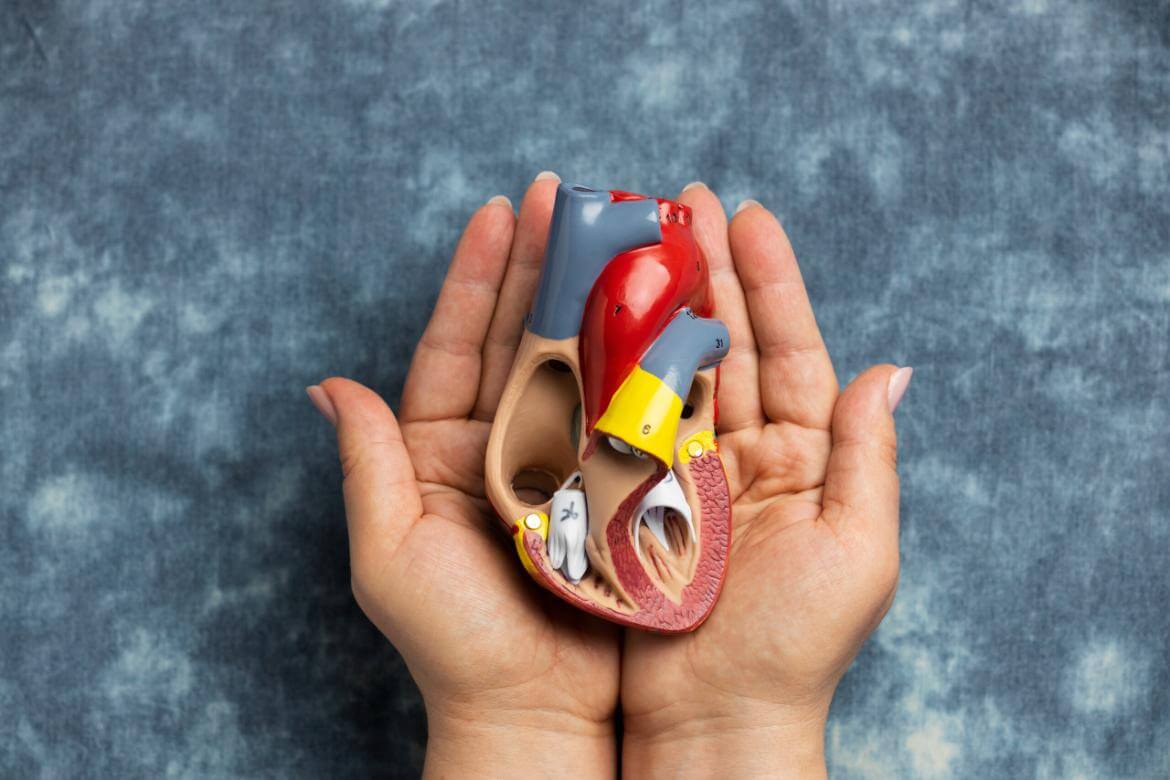
Articular Septal Defect (ASD)
Atrial septal defect (ASD) is a congenital heart disease and one of the most common congenital heart defects in the population. ASD is characterized by a hole between the atria of the heart. In this condition, blood flows to the other side of the heart instead of the normal one, increasing blood flow to the lungs. Over time, this increased blood flow increases lung pressure, which can lead to irreversible lung damage. High lung pressure can strain the right side of the heart and even lead to heart failure.
The exact cause of ASD is unclear, but genetic and environmental factors are thought to play a role. In many cases, ASD has no symptoms, which can delay diagnosis. ASD can be diagnosed using imaging techniques such as echocardiography.
Treatment for ASD is usually performed with angiography/catheterization or surgery. These treatments can help close or reduce the size of the hole. Depending on the symptoms of ASD and the patient's condition, doctors determine the appropriate treatment method.
In short, an atrial septal defect (ASD) is a congenital heart condition in which there is a hole between the atria of the heart. This hole is not usually found in a normal heart and can close, shrink, or remain fixed over time.
What are the causes of atrial septal defect?
Congenital heart defects such as atrial septal defect (ASD) often have no specific cause. These conditions can arise from abnormal development or structural abnormalities early in the heart's embryonic development. However, genetic and environmental factors are also thought to contribute to the development of heart defects at birth.
Approximately 10% of congenital heart problems are caused by specific genetic or familial conditions. These conditions are more common in individuals with a family history of similar heart problems and may be hereditary. However, for other conditions, a definitive genetic predisposition or specific genetic mutations have not been fully identified.
Environmental factors can also play a role in the development of congenital heart defects. Certain factors during fetal development, pregnancy, or environmental exposures can increase the potential risk of congenital heart defects. These may include certain medications taken by the mother during pregnancy, alcohol or tobacco use, dietary habits, infections, or environmental toxins.
However, there is no single determining factor for the development of any congenital heart defect. Such heart problems often arise from a combination of factors. Research shows that both genetic and environmental factors interact in a complex way, and these factors play a combined role in the development of heart defects.
What are the symptoms of atrial septal defect?
Atrial septal defect (ASD) may not present any signs or symptoms in some patients, and some may not even notice it. However, in some cases, symptoms may be present, and the diagnosis is usually based on these signs. Symptoms and examination findings related to ASD may include:
- Fatigue, weakness and general feeling of exhaustion
- Increased shortness of breath during exercise or daily activities
- Feeling of palpitations or irregular heartbeats
- Edema (swelling) in the feet, legs, or abdomen
- Fainting or feeling close to fainting
- Headaches and sometimes migraine attacks
- In rare cases, weakness in the arms or legs, difficulty speaking, or vision problems, which may be signs of a stroke
- A heart murmur heard during a doctor's examination or a distinctive buzzing sound heard with a stethoscope
These symptoms typically occur when the ASD is significant or has progressed. However, in some cases, symptoms may be very mild or absent. Factors such as the size and location of the ASD, and the blood flow it affects, can influence the severity of symptoms. Diagnosis is often made incidentally during routine checkups or tests for other health problems.
ASDs that require or are recommended for treatment typically occur in patients who are symptomatic or at risk for complications. Once diagnosed, treatment options are typically evaluated based on the patient's symptoms, age, and the extent of the ASD.
How is atrial septal defect (asd) diagnosed?
Atrial septal defect (ASD) is diagnosed in individuals who present with symptoms or who are brought to the doctor's attention by findings such as a murmur. The tests used in the diagnostic phase include:
- Echocardiography (Heart ultrasound): This is the most commonly used test for diagnosing ASD. It uses sound waves to create a detailed image of the heart. These images examine the size of the heart chambers, the condition of the valves, blood flow, and the presence of defects such as ASDs. Sometimes, methods such as transesophageal echocardiography (TEE) can be used to provide more detailed information. In this method, a heart ultrasound is performed through the esophagus using a special device.
- Electrocardiogram ( ECG ): A test that records the electrical activity of the heart. It helps detect problems with heart rhythm and possible focal problems or enlargements.
- Chest X-ray (Lung X-ray): A chest X-ray is used to assess the size and condition of the heart. It can also provide information about the condition of the lungs and show signs of enlargement of the heart.
These tests are used to confirm the presence of an ASD and provide information about its size, location, and effects. These diagnostic tests, along with the patient's symptoms and signs, are used to determine the doctor's diagnosis. Once a diagnosis is made, treatment options and management can be determined.
How is atrial septal defect treated?
In most cases, an atrial septal defect (ASD) closes spontaneously during childhood. However, persistent and large ASDs may require treatment. Treatment for ASD aims to close the hole in the heart. Treatment options include:
- Closing an ASD with an angiogram -like procedure: This procedure is usually non-surgical and is performed in the angiography suite. A small incision is made in the patient's groin, and specialized instruments are used to close the hole. This procedure usually requires a short hospital stay and generally carries low risks. The likelihood of an ASD reopening is extremely rare.
- Surgical closure of the ASD: In cases where angiography is not feasible (e.g., very large perforations or proximity to major vessels), surgery may be an option. This procedure is usually performed under general anesthesia, and a heart-lung machine may be used. Recent advances in surgical techniques have made minimally invasive surgical procedures available through small incisions. The risks of surgery are generally low, and the likelihood of the perforation reopening is rare.
Treatment options are determined by the size and location of the ASD, as well as the patient's age and health. Treatment options and procedures are evaluated by a cardiologist or cardiac surgeon and determined based on the patient's condition.
What are the types of ASD (Atrial septal defect)?
There are generally two basic types of atrial septal defect:
- Primum ASD: This type of ASD occurs in the lower portion of the atrial septum. It is often associated with other congenital heart defects. Primum ASD is a rarer type and is generally more difficult to treat. Angioplasty may not be feasible, and therefore surgery may be necessary.
- Secundum ASD: This type of atrial septal defect is the most common. It occurs in the middle of the wall between the atria (the atrial septum). Most secundum ASDs can be successfully closed with procedures such as angiography. However, in some cases, this may not be feasible and may require surgical repair.
Treatment for both types of ASD depends on the size and location of the perforation, the patient's age, and overall health. Treatment options are typically evaluated on a case-by-case basis by a cardiologist or cardiac surgeon.
What are the risk factors for atrial septal defect?
There is no single definitively identified risk factor for atrial septal defect. However, there are several potential risk factors or factors that may contribute to or increase the risk of developing ASD.
Potential risk factors and influences may include:
- Genetic factors: Individuals with a family history of ASD or other congenital heart problems may have an increased risk of developing ASD. In some cases, ASD is thought to be genetically transmitted.
- Environmental factors: Environmental factors during fetal development may increase the risk of ASD. For example, factors such as alcohol, tobacco, or certain drug use during pregnancy, certain infections during pregnancy, and exposure to chemicals can affect the risk of ASD.
- Other medical conditions: Certain genetic syndromes or diseases (such as Down syndrome), other congenital heart diseases, or some autoimmune diseases such as lupus may increase the risk of or be accompanied by ASD.
However, while none of the risk factors mentioned are a definitive trigger for the development of ASD, it is thought that a complex interplay of genetic and environmental factors may play a role. A full understanding of the factors that may influence the development of ASD is still a matter of research.
How does ASD (Atrial Septal Defect) affect the heart and circulatory system?
An atrial septal defect (ASD) causes abnormal blood flow due to a hole between the atria of the heart. This hole creates a pathway between the atria that normally shouldn't exist, causing blood to flow to the other side of the heart. As the hole enlarges, this increased blood flow can be observed.
Increased blood flow increases the amount of blood flowing to the lungs. Over time, this increased blood flow can increase blood pressure in the lungs and cause irreversible lung damage. This increased pressure in the lungs can lead to heart failure.
Depending on the size and severity of the ASD, in some cases, the hole is small enough to limit blood flow to the lungs. In this case, patients can live for many years without significant problems.
The effects of ASD can vary depending on the size of the perforation, the increase in blood flow, and long-term effects. In this case, patients may develop symptoms or complications such as increased pulmonary pressure and heart failure. Therefore, monitoring and treatment of ASD cases are based on the size of the perforation and the patient's overall health.
Is atrial septal defect dangerous?
Atrial septal defect (ASD) can be dangerous in some cases and potentially lead to various complications.
These may include:
- Lung damage and heart failure: Large ASDs that are left untreated or untreated for a long time can cause lung damage over time, which can lead to symptoms of heart failure.
- Clot formation and complications: Having an ASD can increase the risk of clots forming in the veins of the legs. These clots can break off and travel to the brain, internal organs, arms, or legs instead of the lungs, causing serious health problems such as stroke, blocked blood vessels, or damage to internal organs.
- Complications in pregnancy and lung disease: The presence of a large ASD during pregnancy can increase the risk of lung damage and make heart failure symptoms earlier or more noticeable. Large ASDs can also lead to earlier and more severe damage in individuals with lung disease.
- Headaches and migraines: In some cases, small ASDs can cause headaches and migraines. However, this remains controversial and more research is needed to determine a definitive association.
Treatment options and follow-up are determined by the extent of the ASD, the patient's general health, symptoms, and examination findings. These complications are generally more common in untreated or unmonitored ASD cases. Therefore, regular follow-up and, if necessary, treatment are important.
What are the consequences of untreated atrial septal defect?
Untreated Atrial septal defect (ASD) can lead to various complications and long-term effects:
- Lung damage and increased pressure: If left untreated, ASD can lead to increased blood flow to the lungs over many years. This can lead to lung damage and increased lung pressure. Over time, the increased blood flow can lead to permanent lung damage and, ultimately, heart failure.
- Arrhythmias: Heart rhythm disturbances can develop due to ASD. They can interfere with the heart's normal electrical conduction and cause various types of arrhythmias.
- Enlarged heart: Untreated ASD can lead to heart enlargement over time. This can include enlargement of certain areas of the heart or enlargement of the heart's chambers.
- Respiratory problems and infections: Lung damage can lead to respiratory failure and increase the risk of lung infections. Increasing lung damage can increase the risk of respiratory failure.
Untreated ASD can progress to symptoms and complications, so regular follow-up and treatment as needed are important. These complications can often progress over time and negatively impact quality of life. Therefore, it is important for individuals diagnosed with ASD to be managed with appropriate treatment and follow-up plans.
