


Arrival
Varicose veins are a highly prevalent circulatory problem. They typically manifest as swelling, pain, and discomfort in the legs. Varicose veins can also cause a purplish discoloration of the skin. This condition results from the dilation and enlargement of veins due to poor blood circulation. It's more common in women than men. Symptoms typically include pain, a feeling of heaviness, itching, burning, and even leg cramps.
Varicose veins are a circulatory problem caused by the dilation and swelling of blood vessels, preventing them from maintaining normal blood flow. Varicose veins typically occur in the legs, but they can also appear in other areas. Varicose veins can also cause a purplish hue to the skin. This condition can also cause a feeling of heaviness and even leg fatigue.
Why Does It Happen?
The most common cause of varicose veins is improper blood circulation. The veins in the legs work to carry blood back to the heart. However, valves within these veins ensure that blood flows only one way. When these valves are not strong enough, blood backflows, and the veins widen and stretch. However, varicose veins can often be caused by factors such as aging, genetic predisposition, excess weight, a sedentary lifestyle, hormonal changes (especially during pregnancy), hot weather, high-heeled shoes, or tight clothing. Additionally, excessive alcohol consumption and smoking can also contribute to the development of varicose veins.
What are the symptoms?
Varicose veins can cause discomfort such as leg pain, swelling, cramping, itching, and even a feeling of heaviness. A purplish discoloration of the skin may also be observed. For some people, varicose veins are often merely an aesthetic concern and not a serious health problem.
How is varicose veins diagnosed?
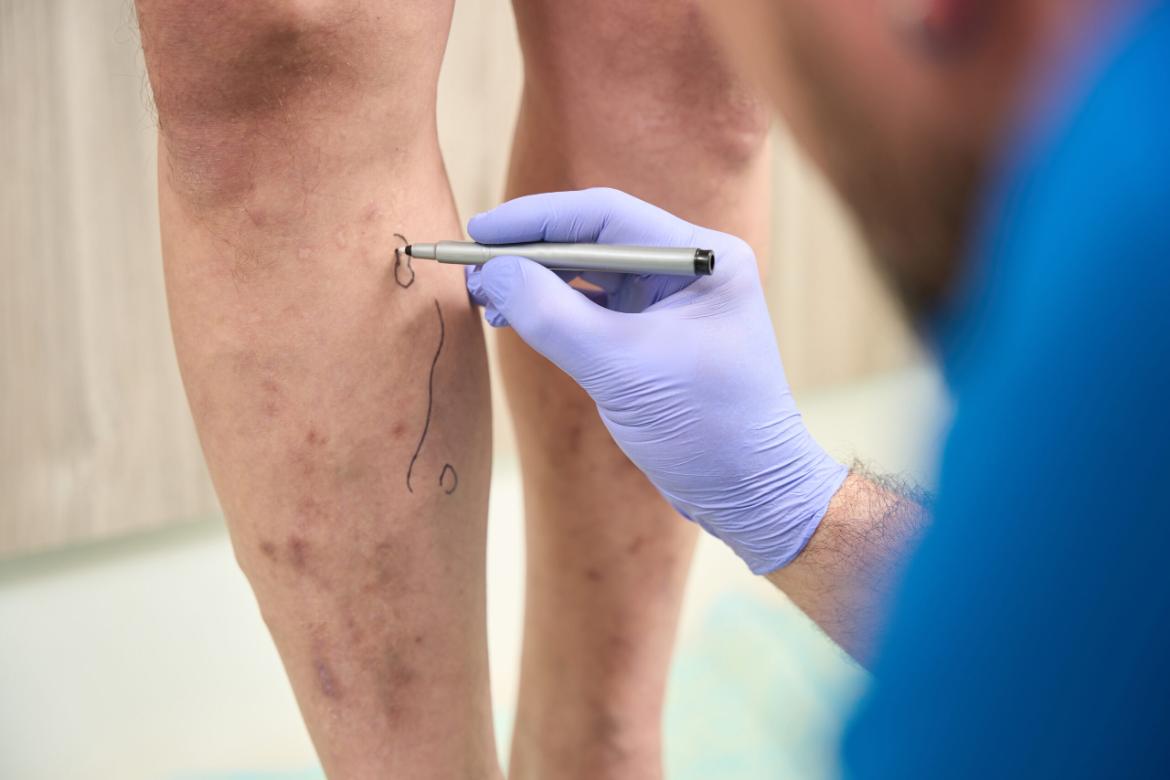
Varicose veins can be diagnosed through a physical examination and tests performed by a doctor. By examining the legs of a person with varicose veins, a doctor can determine their location, size, and severity.
The doctor may use one or more of the following tests to diagnose varicose veins:
- Doppler ultrasound: This test measures blood flow within veins. This test is very useful for determining the location and size of varicose veins.
- Venogram: This test uses X-rays to visualize varicose veins using a special dye. This test can be used to determine the size and location of varicose veins.
- MRI: This test uses magnetic fields and radio waves to create detailed images. It can be used to determine the location and size of varicose veins.
- CT scan: This test uses a special x-ray machine to create many detailed images. This test can be used to determine the location and size of varicose veins.
Varicose veins can usually be diagnosed with a simple physical exam and a Doppler ultrasound. However, your doctor may also use other tests to obtain more information to determine the severity of your varicose veins and treatment options.
How many types of varicose veins are there?
Varicose veins are generally classified into three types.
- Superficial Venous Reflux (SVR) Varicose Veins: This type of varicose vein occurs when superficial veins beneath the skin become damaged. These veins provide superficial blood circulation, which is why SVR varicose veins appear more superficial and visible.
- Deep Venous Reflux (DVR) Varicose Veins: This type of varicose vein occurs due to damage to the deep veins. These veins are located between the muscles and help return blood to the heart. Because DVR varicose veins are deeper, they can be difficult to detect.
- Perforating Venous Reflux (PVR) Varicose Veins: This type of varicose vein occurs due to damage to the perforating veins between the deep and superficial veins. These veins serve as connections between the deep and superficial veins, helping to circulate blood back into the veins.
Of these three types of varicose veins, superficial venous reflux (SVR) varicose veins are the most common. However, the type and severity of varicose veins can vary from person to person, and a more definitive diagnosis can only be made after a doctor's examination.
What are the treatment methods?
Treatment for varicose veins can vary depending on the severity of the varicose veins, their symptoms, and the location of the veins. In some mild cases, treatment may not be necessary, and lifestyle changes alone may be sufficient to alleviate symptoms. For example, exercise, weight loss, avoiding tight clothing, and limiting high heels may be sufficient.
In more severe cases, different treatment methods may be used. Options include sclerotherapy, laser therapy, radiofrequency ablation, and surgical procedures. These methods depend on the size and location of the varicose veins and the patient's overall health. The doctor will determine which method to use.
- Leg elevation: Leg elevation can alleviate symptoms in mild to moderate varicose veins . Legs are held above heart level for approximately 15 minutes three to four times a day.
- Sclerotherapy: It is a treatment method that allows the disappearance of varicose veins by injecting a sclerosing substance into the varicose veins using very fine needles.
- Microphlebectomy: It is the process of removing varicose formations using small incisions with special surgical instruments.
- Thermal Ablation: This is the treatment of varicose veins using laser or radiofrequency energy. After entering the varicose veins via a catheter, the wall of the varicose vein is destroyed with laser or radiofrequency energy.
- Vein Surgery (Stripping and ligation): It is a varicose vein treatment method performed by surgically removing the varicose vein with a wire.
What should be taken into consideration to prevent the formation of varicose veins?
- Staying Active: Exercise can help prevent varicose veins by improving blood circulation. Regular, low-impact exercises like walking, running, swimming, and cycling can help tone your leg muscles and prevent backflow of blood. Regular exercise can also help you lose weight, which can reduce your risk of varicose veins.
- Maintaining Proper Posture: Standing or sitting for long periods of time can encourage the formation of varicose veins. Changing positions frequently, resting with your legs stretched out, and wearing flat-soled shoes instead of high heels can help prevent varicose veins by increasing blood flow in your legs.
- Nutrition: A healthy diet can help prevent varicose veins. Eating a balanced diet can help manage your weight and improve circulation. Additionally, limiting sodium intake and drinking plenty of water can reduce swelling and edema, reducing your risk of varicose veins.
- Compression Stockings : Compression stockings can be used to prevent the formation of varicose veins. These stockings prevent backflow of blood in the legs and can prevent varicose veins. Compression stockings have a tighter fit at the ankles and a less tight fit above the knees.
- Quit Smoking : Smoking negatively impacts blood circulation and can encourage the formation of varicose veins. Therefore, you can reduce your risk of varicose veins by avoiding smoking.
In conclusion, varicose veins are generally harmless, but they can be aesthetically unpleasant. It is important to adopt a healthy lifestyle by taking the above precautions to prevent varicose veins.
