


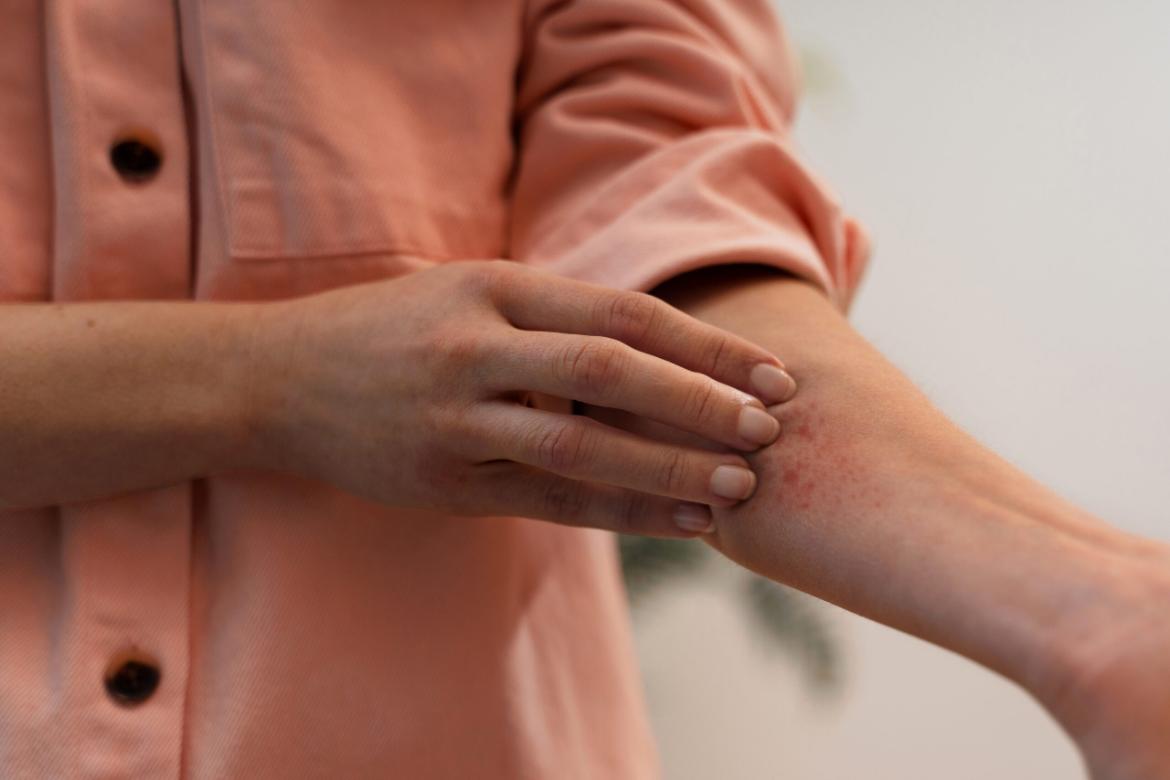
Anthrax Disease
Anthrax, caused by the bacterium Bacillus anthracis, is a disease found in herbivorous animals such as sheep, cattle, and goats. Anthrax can be transmitted to humans from infected animals, usually through contact with deep wounds, the digestive tract, or the respiratory tract. Once in the human body, anthrax bacteria multiply and produce toxins, and if left untreated, can be fatal. Early diagnosis, hospitalization, and antibiotic treatment are crucial for recovery.
Although anthrax hasn't caused mass deaths throughout history, it remains a significant disease. Known as the fifth plague in ancient Egypt and Mesopotamia, anthrax has become rarer today due to the decline in anthrax in animals. While less common in developed countries, anthrax cases still occur in some countries, such as Africa, South America, and Asia. In Türkiye, anthrax is considered endemic, but its incidence is quite low. Anthrax cases, which can be found in some cities, particularly in the Eastern Anatolia Region, were detected in only 37 people in 2017. However, this figure represents the highest number of cases among European countries that year.
Who gets anthrax?
- Farmers and ranchers: Anthrax is more common in animals that eat grass, so those involved in these activities are at greater risk.
- Military members and tourists traveling to countries with anthrax problems: Anthrax may be more prevalent in certain areas, so military personnel and tourists traveling to those areas may be at risk.
- Researchers and laboratory workers who study bacteria, including biologists: Laboratory personnel who work with anthrax bacteria must take extra care because they are at risk of contact with these pathogens.
- Veterinarians who work with infected animals: Veterinarians are at higher risk for anthrax because of their direct contact with infected animals.
- Wool mill, tannery and slaughterhouse workers: Workers in these occupations may be at risk of anthrax because of their contact with animal meat or animal products.
- Drum makers who use animal hides: Animal hides can carry anthrax bacteria, so people who use animal hides should be careful.
Taking preventive measures against the risk of anthrax and educating people who work in these areas can help prevent the spread of the disease.
What are the types of anthrax?
Types of anthrax vary depending on how the bacteria enter the body. The main types of anthrax are:
- Cutaneous anthrax: Occurs when bacteria enter the skin's surface through a wound or cut. Cutaneous anthrax is the most common and generally least fatal form of anthrax. People at risk include veterinarians and those who work with animal fur, hides, and hair.
- Intestinal anthrax: Intestinal anthrax can be transmitted to humans by consuming undercooked or raw meat from an infected animal. The bacteria affect the esophagus, throat, stomach, and intestines. This is a form of anthrax that enters the body through the digestive tract.
- Inhalational anthrax: Inhalational anthrax occurs in people who breathe in airborne anthrax spores. This is the most lethal form of anthrax, causing serious respiratory problems and death. Workers in wool mills, slaughterhouses, and tanneries are most at risk of inhaling spores from infected animals.
Each type of anthrax has different symptoms and treatments depending on the route of infection. Each type requires early diagnosis and appropriate treatment.
What causes anthrax?
Anthrax is caused by contact with anthrax bacteria or spores that infect an individual. Anthrax spores occur naturally in soil worldwide and can remain dormant for years. Anthrax is most commonly transmitted through animals; animals such as horses, goats, sheep, and cattle play a significant role in the spread of anthrax.
Recently, two outbreaks of anthrax in Europe have been observed to have been spread among heroin users through the injection of illicit drugs. These heroins likely originated in regions where naturally occurring anthrax is more prevalent.
The risk of contracting anthrax is generally associated with high-risk occupations because they involve direct contact with anthrax spores. Factors that increase this risk include: working in areas where anthrax is common, working with anthrax in a laboratory setting, handling animal hides, furs, or wool, working as a veterinarian, hunting, and activities such as injecting illicit drugs.
How is anthrax transmitted?
Anthrax is a disease that can be transmitted to humans directly or indirectly from infected animals. Anthrax can be classified into four main groups based on the source of transmission:
- Agricultural anthrax: Agricultural anthrax is the most common route of transmission and occurs when the bacteria are transmitted directly from infected animals to humans. Cases of anthrax transmitted this way are common in Turkey. People involved in agricultural work are at risk of contact with infected animals.
- Industrial anthrax: Industrial anthrax can be transmitted to humans during the industrial processing of products such as fur, leather, bone, or wool from infected animals carrying bacterial spores. Therefore, workers in these industrial occupations are at risk of infection.
- Laboratory-acquired anthrax: While laboratory-acquired anthrax is rare, it can cause serious outbreaks. Cultivating anthrax bacteria in laboratory settings or artificially could lead to its use as a biological weapon, which is a route of transmission.
- Anthrax as an occupational disease: Anthrax is also an occupational disease. Occupational groups at high risk for this disease include veterinarians, slaughterhouse workers, livestock farmers, butchers, laboratory workers, emergency and healthcare personnel, and postal and packaging workers. Workers in these occupations should be more vigilant against anthrax and take preventative measures.
Being aware of the routes of transmission of anthrax and risk groups helps control the disease and prevent its spread.
Symptoms of anthrax
The symptoms of anthrax can vary depending on the form of the disease and the route of transmission. The different types and symptoms of anthrax include:
Cutaneous anthrax:
- Redness, swelling and painful lesions occur on the skin.
- The lesions grow rapidly and become crusty.
- These bumps can spread into surrounding tissues and turn into open sores.
- The lesions are often surrounded by a black area of necrosis.
Respiratory (Lung) anthrax:
- Respiratory problems such as chest pain and difficulty breathing occur.
- General symptoms such as nausea, vomiting, fatigue, fever and excessive sweating may occur.
- Headache, muscle aches and weakness may also be experienced.
Gastrointestinal anthrax:
- Digestive problems such as abdominal pain and bloody diarrhea may occur.
- Generally, symptoms related to the stomach and intestines are observed.
Injection anthrax (transmitted through drug use):
- These types of symptoms can vary depending on the injection site of the anthrax infection.
- Pain, swelling, and blisters may occur at the injection site.
Leukemic (Blood) anthrax:
- This type of anthrax is very rare and is transmitted through blood.
- Symptoms are usually related to the spread of infection throughout the body and may include general fatigue, weakness, and fever.
Anthrax can lead to serious complications if not diagnosed and treated early. Therefore, any suspicious symptoms should be addressed by a healthcare professional. Additionally, occupational groups at risk for anthrax should undergo regular health checkups.
Can anthrax be transmitted from person to person?
Anthrax is not a disease transmitted directly from person to person or animal to animal. It is usually transmitted through direct contact or through handling of products from infected animals. A person infected with anthrax can contract the disease through contact with wounds or through contact with meat, skin, or other products from animals showing symptoms of the disease. Anthrax is usually transmitted to humans through contact or consumption of contaminated products, but it is not directly contagious between humans.
Some precautions to be taken to prevent anthrax
- Vaccination: Anthrax vaccine may be recommended for high-risk occupational groups. This vaccine is particularly recommended for military personnel, laboratory workers, and scientists who work with anthrax. However, anthrax vaccine is not recommended for the general public.
- Contact precautions: To avoid exposure to anthrax spores, avoid contact with infected animals. In particular, avoid contact with the meat, skin, or other products of infected animals.
- Good cooking practices: Cook meat products thoroughly. Anthrax bacteria are killed at high temperatures, so you can reduce the risk of infection by cooking meat products thoroughly.
- Occupational health and safety measures: Workers in occupations at risk of anthrax should wear appropriate personal protective equipment and exercise caution when handling infected materials. It is important to adhere to occupational health and safety regulations.
- Travel precautions: When traveling to areas where anthrax is common, avoid contact with farm animals or animal products and consume meats that are thoroughly cooked.
- Personal hygiene: Wash your hands regularly and keep them clean. It is especially important to wash your hands before touching infected materials.
- Veterinary services: Have your farm animals regularly checked by a veterinarian and vaccinated as needed.
Anthrax is a preventable disease when appropriate precautions are taken. Occupational groups, particularly those at risk, should take special care to avoid contact with infected materials and take appropriate protective measures.
Anthrax vaccine
The anthrax vaccine is used in different forms for animals and humans, and the components of each vaccine are different. Here's more detailed information about anthrax vaccines:
Anthrax vaccine for animals:
- The anthrax vaccine used in animals contains live bacteria and usually contains a reduced form of the disease.
- This vaccine is used to protect livestock and other animals against disease. Animal vaccination is particularly common in areas where anthrax is common.
- It does not apply to humans and should not be used on humans.
Anthrax vaccine for humans:
- The anthrax vaccine for humans does not contain live bacteria and therefore cannot cause anthrax disease.
- Anthrax vaccine is often considered for at-risk occupational groups, including laboratory workers, military personnel, and scientists who work with anthrax bacteria.
- It is not a common practice for the general public and is only done in cases of necessity.
Administration of anthrax vaccine follows a specific schedule. Repeat doses are given at regular intervals after the initial dose, and booster doses may be required to maintain immunity.
Side effects of anthrax vaccine can include serious allergic reactions. Therefore, it is important to consult a healthcare professional before vaccination. Special considerations should be made for individuals with special conditions, such as pregnant women, those experiencing severe illness, and those allergic to vaccine components. Administration of the vaccine should be based on a decision regarding the risk of anthrax.
Anthrax treatment
Anthrax treatment is crucial for individuals experiencing symptoms of the disease, and it's essential to seek medical attention quickly. The following methods are used in the treatment of anthrax:
Antibiotic treatment:
One of the most commonly used treatments for anthrax is antibiotics. Penicillin and alternative antibiotics are effective in controlling the infection by targeting the anthrax bacteria.
Treatment usually lasts several weeks and is used at the time and dose recommended by the doctor, depending on the patient's condition.
Antitoxin therapy:
- Antitoxin therapy is used to neutralize anthrax toxins. However, this treatment is generally considered experimental and is only used in certain circumstances.
- Antitoxin therapy is used to reduce the effects of toxins in the early stages of the disease.
Surgical intervention:
- In cases of cutaneous anthrax, surgery is not recommended because of the risk of wound inflammation and complications.
- Lesions can be dressed and the infection can be controlled. If necessary, this procedure should be performed under sterile conditions.
During treatment, healthcare professionals must take the necessary protective measures, as anthrax can be contagious. It is also important for the patient to fully comply with their doctor's recommendations throughout the treatment process. Early diagnosis and treatment of anthrax play a critical role in controlling the disease.
