


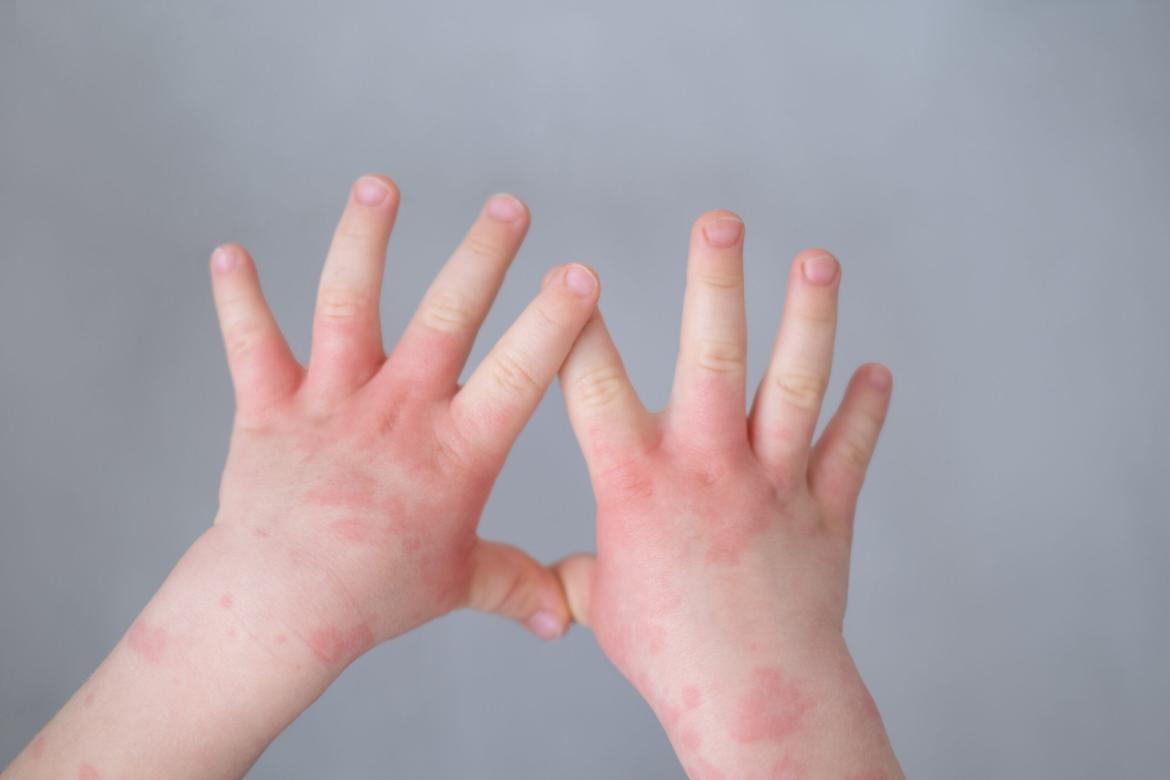
Allergy
An allergy is an overreaction by the body's immune system to a substance that is not actually harmful, such as pollen, bee venom or pet dander, to certain substances, weather conditions and to a psychologically foreign substance or to a food that does not cause a reaction in most people.
Under normal circumstances, the immune system produces antibodies to protect the body against harmful substances. In people with allergies , the immune system treats a particular allergen as if it were harmful, even if it isn't, and begins producing antibodies accordingly. Therefore, when a person comes into contact with the allergen, the immune system reacts by reddening the skin, swelling and blocking the sinuses and airways, or disrupting the digestive system.
The severity and response to allergies vary from person to person. Allergies are potentially life-threatening emergencies. While most types of allergies cannot be cured, there are medications and treatments available that can help alleviate the symptoms and discomfort caused by allergies.
What Causes Allergies?
Allergies occur when an individual's immune system mistakenly perceives a normally harmless substance as a harmful and dangerous invader. The immune system produces antibodies that are stored in reserve for the allergen. When the individual encounters the allergen again, these antibodies can release a series of immune-specific chemicals, such as histamine, that cause allergy symptoms.
Common allergy triggers include allergens such as pollen, grass, animal dander, dust mites, and airborne mold; medications, some antibiotics; latex; certain foods, especially peanuts, tree nuts, wheat, soy, fish, shellfish, eggs, and milk and milk products; and insect stings such as bees, wasps, or hornets. However, each individual's reaction to each allergen varies.
People with a family history of allergic diseases such as hay fever, hives or eczema, children, and people with allergic conditions such as asthma are more likely to develop allergies.
What are Allergy Medications?
Antihistamines (allergy medication), cortisone-containing nasal sprays, pills and inhalers that open the airways, inhalers and allergy shots are the main medications used in treatment.
If you observe any allergy-related symptoms in yourself or your child, you should consult the nearest healthcare facility.
What are the complications that can arise with allergies?
Even a single allergy carries a high risk of developing various medical problems, such as allergy-related anaphylaxis, asthma, or respiratory illnesses. People with severe allergies are at increased risk of anaphylaxis, a serious allergic reaction.
Foods, medications, and insect stings are the most common triggers of anaphylaxis. Individuals with allergies are more likely to develop asthma, which obstructs the airways and affects breathing. In many cases, asthma is triggered by exposure to an allergen in the environment and is called allergy-induced asthma or allergic asthma . People with hay fever or asthma are more likely to develop sinusitis, ear, or lung infections.
How to Prevent Allergies?
Although the methods to be used and taken into consideration to prevent allergic reactions vary depending on the type of allergy an individual has, there are a few common methods that can be taken into account.
How to Prevent Allergies?
Avoiding known allergy triggers: Even if an individual's allergy symptoms are being treated, it's important to try to avoid triggers. For example, individuals allergic to pollen should spend more time indoors during the spring, when pollen counts are high, by keeping windows and doors closed. Individuals allergic to dust mites should clean their environment frequently, washing bedding and vacuuming.
Keeping a diary: When an individual is trying to find out what causes or aggravates their allergic symptoms, and during what periods, it will be useful to keep a diary to see their activities, what they eat, what they do, when the symptoms appear, and what helps alleviate them.
Wearing a medical alert bracelet: People who experience a severe allergic reaction may benefit from wearing a medical alert bracelet or necklace with information about the allergy written on it. This will help inform those around them that they have a severe allergy if an allergic reaction incapacitates them and prevents them from interacting with their surroundings.
Symptoms
What are the Symptoms and Types of Allergy?
Allergy symptoms caused by specific substances profoundly affect an individual's respiratory tract, sinuses and nasal passages, skin, and digestive system, reducing their quality of life. Allergic reactions can range from mild to severe. In some severe cases, allergies can trigger a life-threatening reaction known as anaphylaxis, which can be fatal. Each type of allergy has its own unique symptoms and characteristics.
Allergic rhinitis, commonly known as hay fever, has symptoms and signs such as sneezing, discharge from the nose, eyes or nasopharynx, stuffy nose, loss of smell and watery, red or swollen eyes called conjunctivitis.
Food allergies can cause signs and symptoms such as tingling in the mouth, swelling of the throat, difficulty swallowing and breathing, swelling of the tongue, lips, or face, hives, or anaphylaxis. Drug allergies can cause hives, itching, redness and rash, facial swelling, difficulty breathing, chest tightness, or anaphylaxis.
In insect or bee sting allergies may cause a large area of swelling (edema) at the sting site, itching or hives all over the body, redness in the sting area, cough, chest tightness, wheezing or shortness of breath, or anaphylaxis.
Atopic dermatitis, also known as eczema, an allergic skin condition, can cause itching, redness, flaking and peeling of the skin.
What is Anaphylaxis?
Some types of allergies, including food allergies and insect stings, can trigger a sudden and severe reaction known as anaphylaxis. A medical emergency that is life-threatening, anaphylaxis can cause a person to go into shock.
Signs and symptoms of anaphylaxis include loss of consciousness, a drop in blood pressure, difficulty breathing, a skin rash, dizziness, a rapid and weak pulse, nausea, and vomiting. Without proper intervention, anaphylaxis can lead to anaphylactic shock and death.
Patients who believe they are experiencing an allergic reaction and are not receiving sufficient relief or benefit from over-the-counter allergy medications should consult a doctor for allergy testing. Individuals who develop allergy symptoms after starting a new medication with a doctor's recommendation should contact their doctor immediately.
In the event of a severe allergic reaction, i.e., anaphylaxis, emergency medical attention should be sought. In such cases, the 112 emergency number can provide rapid medical assistance. If an individual experiencing an allergic reaction has an automatic epinephrine injection, they may need to use it immediately. Even if signs and symptoms improve after an epinephrine injection, a visit to the emergency room is necessary to ensure that symptoms do not recur once the effects of the injection wear off. Private Ankara Magnet Hospital offers 24/7 emergency service to our patients.
It's advisable for anyone experiencing a severe allergy attack or who has exhibited signs and symptoms of anaphylaxis in the past to consult a doctor. Anaphylaxis is difficult to assess, diagnose, and manage long-term, so it's likely best to see a physician who specializes in allergy and immunology.
Diagnostic Methods
Allergy Testing and Diagnosis
To determine if an individual has an allergy, the doctor will ask detailed questions about the problem and allergy symptoms. They will perform a physical examination and instruct the individual to keep a detailed diary to identify symptoms and potential triggers. Following a dermatological examination by our specialist physicians at Private Ankara Magnet Hospital, the necessary treatment is initiated.
In a case such as a food allergy, the physician will ask the individual to keep a detailed diary of the foods he or she eats, hour by hour, and will question whether he or she has stopped eating foods deemed suspicious during the allergy evaluation.
There are a few other tests your doctor may recommend. However, there is a possibility that these tests may yield false-positive or false-negative results.
One type of test is a skin test. This test involves a healthcare professional making small punctures in a person's skin, dripping micro-amounts of protein liquids containing potential allergens onto these punctures, and labeling the contents of these drops to identify the allergen that triggers the reaction. For example, dripping grass juice onto the punctured skin can cause a localized swelling in the form of a lump if the individual is allergic to the liquid. Our specialist physicians at Private Ankara Magnet Hospital perform the necessary tests.
The second test is a blood test. The specific IgE (sIgE) blood test, commonly called the radioallergosorbent test or ImmunoCAP test, measures the amount of allergy-causing antibodies known as immunoglobulin E and antibodies in a person's bloodstream. These tests are performed at Ankara Private Magnet Hospital.
Treatment Methods
How Are Allergies Treated?
The most important thing to do to prevent allergic reactions and reduce symptoms is to avoid allergens. Depending on the type of allergy an individual has, medications can help reduce the immune system's response and alleviate symptoms to some extent. Your doctor may recommend these over-the-counter or prescription medications, such as allergy pills, allergy syrups, nasal sprays, or eye drops.
For severe allergies that haven't been relieved by other treatments, a doctor may recommend allergen immunotherapy. This treatment typically involves a series of injections of purified allergen extracts over several years. Another form of immunotherapy is a sublingual tablet placed under the tongue until the problem is completely resolved. Sublingual medications are often used to treat some pollen allergies.
In a severe allergic reaction, an adrenaline injection may be necessary. Adrenaline can reduce allergic symptoms until you receive emergency treatment.
Lifestyle Changes for Allergies
Some allergy symptoms can be improved with home treatment or changes to your environment. Sinus congestion and hay fever symptoms often subside after preparing a saltwater solution and rinsing the sinuses.
Home allergy symptoms can be reduced by frequently washing bedding and stuffed toys in hot water, maintaining low humidity levels in the room, regularly using a vacuum cleaner with a fine filter, such as a high-efficiency particulate air (HEPA) filter, and opting for a carpet-free environment. By paying attention to these factors, exposure to both dust mites and pet dander can be prevented.
It is possible to get rid of the symptoms of mold allergy by reducing the humidity in humid areas such as bathrooms and kitchens by using ventilation fans and dehumidifiers in the environment.
