


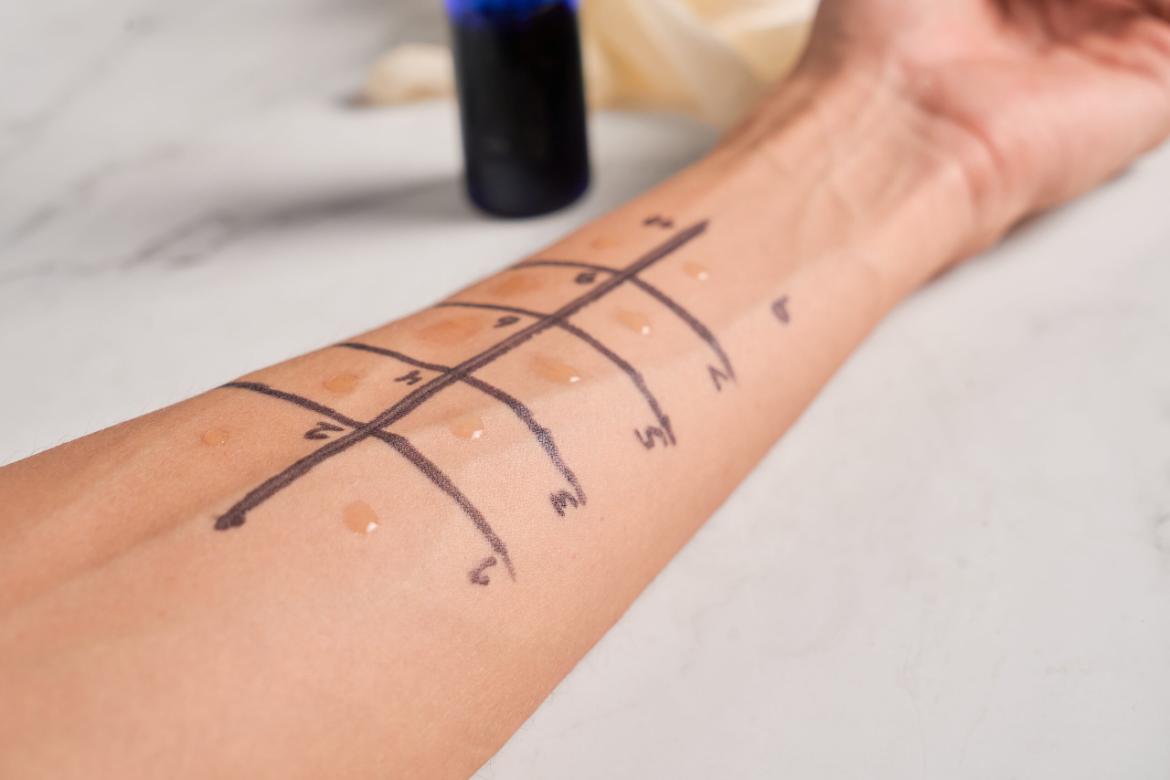
Allergy Skin Test – Skin Prick Test
An allergy skin test is a medical test used to determine the cause of allergic reactions. This test measures sensitivity to substances that cause allergic conditions (such as allergic rhinitis, asthma, food allergies, etc.).
The test involves dabbing or dipping a solution containing a range of potential allergens onto a small area of skin for several minutes. Then, the area is gently pricked or scratched with a special device. This creates an opening through which an allergic reaction can develop. Any redness, swelling, or itching on the skin following the test indicates an allergic reaction.
This test is a safe and effective way to identify the cause of allergic reactions before exposure to allergens. However, the accuracy of the test result may depend on the person's medication use, skin condition, and other factors. The healthcare professional performing the test will consider the individual's medical history to assess the appropriateness and accuracy of the test.
What allergies can be diagnosed with an allergy skin test (skin prick test)?
Skin prick testing can be used to measure sensitivity to many different allergic reaction-causing substances. The test can be used to diagnose the following allergic reactions:
- Allergic rhinitis: Sensitivity to airborne substances such as pollen, dust mites, animal dander, mold fungi, and fragrances.
- Asthma: Sensitivity to airborne allergens (pollen, dust mites, mold fungi, etc.) or certain food allergens
- Food allergies: Sensitivity to foods such as milk, eggs, seafood, nuts, soy, etc.
- Drug allergies : Sensitivity to medications such as antibiotics, aspirin, nonsteroidal anti-inflammatory drugs (NSAIDs), etc.
- Latex allergy: Sensitivity to products made from rubber
This test is a useful tool for identifying allergic reactions, but it is not sufficient for diagnosis on its own. Test results should be evaluated in conjunction with other factors, such as the individual's medical history and symptoms. It is also important to consider factors such as prior medication use, skin conditions, and other factors to ensure the proper performance of the test.
In which cases is allergic skin testing not performed?
Allergy skin testing is not recommended or may need to be performed with caution in some situations. Examples include:
- In individuals with severe eczema or dermatitis: In this case, skin reactions at the test site may be difficult to interpret.
- For people who have used antihistamines for a long time: Antihistamines can affect test results by reducing skin reactions. Therefore, the person being tested should stop taking antihistamines for several days beforehand.
- Pregnant or breastfeeding women: Since the effects of the test on these individuals are not yet fully known, it is recommended to talk to a healthcare professional before testing.
- In people with a history of severe allergic reactions: In these people, test results may indicate a recurrence of previous severe allergic reactions.
- In individuals with known allergies to a particular drug or substance: Testing in these individuals may result in a recurrence of previous allergic reactions.
- In elderly or chronically ill individuals: Test results may be more difficult to interpret in these individuals.
What are allergy tests?
- Skin prick test: Small amounts of allergens are injected under the skin with a needle. The skin reaction is then measured. This test is used to diagnose many allergic reactions, including allergic rhinitis, asthma, food allergies, and drug allergies.
- Blood tests: Some blood tests measure the antibodies that cause allergic reactions. The most commonly used tests are RAST (Radioallergosorbent assay) and ImmunoCAP, which measure IgE antibodies. These tests are used to diagnose various allergies, including allergies to food, pollen, dust mites, pet dander, and medications.
- Swallow test: This test involves swallowing specific foods and then observing for symptoms. This test is used to diagnose food allergies.
- Eye drop test: This test is used to diagnose eye allergies. During the test, allergens are dropped into the eyes and then the eye reactions are monitored.
- Patch testing: This test is used to diagnose contact dermatitis caused by allergens applied to the skin. During the test, a patch containing the allergen is placed on the skin and then skin reactions are monitored.
These tests are common methods used to diagnose allergic reactions.
How is an allergy skin test (skin prick test) performed?
A skin prick test is a test used to detect allergic reactions. A small scratch is made on your skin to a substance you're suspected of being allergic to, exposing you to the allergen. If this test results in redness, swelling, or itching, you're diagnosed with an allergic reaction.
Skin prick testing is done in the following steps:
- The area where the test will be performed is cleaned and dried.
- Small scratches are made with numbered sterile needles in the area where the test will be performed.
- An allergen is dropped onto the tip of each needle.
- It is waited for a while for the needles to be left in the area.
- Afterwards, reactions in the region are evaluated.
If, after the test, you experience symptoms such as skin redness, swelling or itching, you are diagnosed with an allergy.
Can allergies be treated?
Allergy skin testing (Skin prick testing) is a test used to detect allergic reactions and is not a treatment method. Skin prick testing is used to detect allergic reactions to allergens. Allergy treatment focuses on treating allergic symptoms and preventing the body's overreaction to allergens.
Allergy treatments include antihistamines, corticosteroids, immunotherapy (allergy shots), nasal steroid sprays, decongestants, and natural remedies. The treatment method is determined by the severity of symptoms, the type of allergy, and the patient's overall health.
In which department are allergy tests performed and what is the estimated duration?
Allergy tests are tests performed to detect allergic reactions and are usually performed in allergy clinics run by allergists or ear, nose and throat (ENT) specialists.
Some laboratories and hospitals may also perform allergy tests. However, a visit to a specialist doctor is necessary for proper testing and interpretation of results.
The time it takes for allergy tests varies depending on the type of test. Some tests, such as skin prick tests, provide results within minutes, while blood tests can take several days to provide results.
