



Alcohol Poisoning
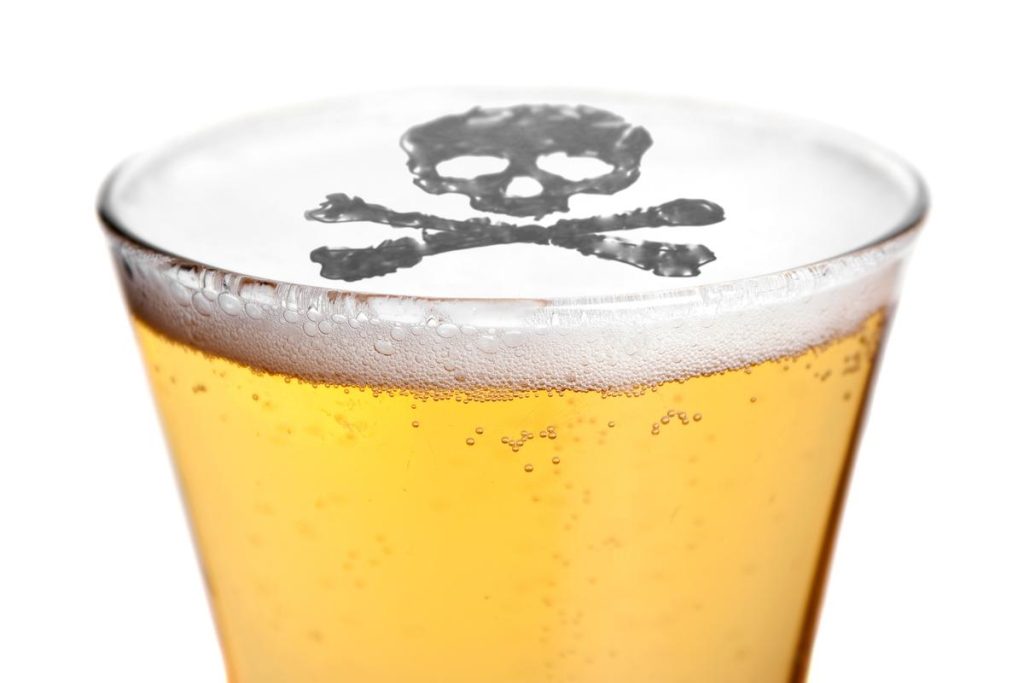
Alcohol poisoning is a condition that occurs in the body as a result of consuming excessive amounts of alcohol. Alcohol depresses the central nervous system, affecting brain function and causing a range of signs and symptoms. Alcohol poisoning can range in severity from mild to severe and can lead to serious health problems.
What are the symptoms of alcohol poisoning?
Alcohol poisoning is a condition that occurs as a result of excessive alcohol consumption. Symptoms vary depending on the effects of alcohol on the body and can vary depending on the amount of alcohol consumed, the individual's tolerance, and their body weight. Some common symptoms include:
- Coordination and balance problems: Difficulty walking, loss of balance, and a tendency to fall may be observed. Tremors in hands and feet may also occur.
- Speech disorders: Slow, slurred or difficult to understand speech may be observed.
- Blurred vision : Symptoms of decreased visual acuity, double vision, or blurred vision may occur.
- Loss of appetite and nausea: Nausea, vomiting, and loss of appetite are common symptoms.
- Headache: Severe headaches and migraine-like symptoms may occur.
- Weakness and fatigue: A general feeling of loss of energy, weakness, and exhaustion can be common.
- Stomach problems : Digestive system problems such as abdominal pain, heartburn, upset stomach and diarrhea may occur.
- Mental status changes: Difficulty in concentration, difficulty in making decisions, forgetfulness, irritability, emotional swings and symptoms of depression may be observed.
- Respiratory problems: Respiratory problems such as slowed or irregular breathing, respiratory distress, or respiratory arrest may occur.
- Loss of consciousness: Excessive alcohol consumption may result in loss of consciousness, fainting or coma.
These symptoms can occur in varying stages of alcohol poisoning, from mild to severe. Severe symptoms can be life-threatening and require immediate medical attention.
How long does alcohol poisoning last?
The duration of alcohol poisoning can vary depending on the amount of alcohol consumed, a person's body weight, tolerance level, and other factors. Symptoms of alcohol poisoning typically appear quickly after consuming alcohol and peak within a few hours. However, it may take longer for the symptoms to fully subside and for the person to return to normal.
In cases of mild alcohol poisoning, symptoms usually subside within a few hours, and the person begins to feel better. However, in cases of more severe alcohol poisoning, symptoms may last longer, and the person may experience fatigue, headaches, and general discomfort for several days.
Other factors that affect the duration of alcohol poisoning include a person's alcohol metabolism rate, the process by which alcohol is eliminated from the body, other substances taken during alcohol consumption (for example, medications or drugs), and a person's general health.
The resolution of alcohol poisoning symptoms doesn't necessarily mean the alcohol has been completely eliminated from the body. It may take longer for the alcohol to be completely metabolized and eliminated. This timeframe varies depending on the amount of alcohol consumed, the individual's alcohol metabolism rate, and other factors.
What should be done in case of alcohol poisoning?
- Call for emergency help: Alcohol poisoning is a serious medical condition and may require immediate medical attention. Get professional help immediately by calling an ambulance.
- Ensure safety : Move the person away from hazardous areas and remove sharp objects to reduce the risk of injury. If the person is conscious, calm them down and encourage them to talk.
- Check breathing: If the person's breathing has stopped or is very slow, CPR (cardiopulmonary resuscitation) may be needed. If you are trained, you can perform CPR.
- Turn the person on their side: If the person is vomiting, turn them on their side to prevent their head from falling back. This will prevent vomit from blocking their airways.
- Provide hydration: Alcohol poisoning can cause dehydration. If the person is conscious and able to drink, you can gently encourage them to drink water. However, if they are unconscious, do not give them water.
- Refer to professional treatment: The person should be taken to the hospital and evaluated and treated by medical professionals. Treatment usually includes supportive measures to stabilize the person's body functions.
The most important step in the event of alcohol poisoning is to seek emergency help. Immediate medical attention may be necessary, and professional healthcare professionals will assess the person's condition and provide appropriate treatment. Therefore, if in doubt, it's important to seek emergency help without hesitation.
How is alcohol poisoning treated?
Treatment for alcohol poisoning focuses on eliminating alcohol from the body, alleviating symptoms, and preventing complications. Treatment methods for alcohol poisoning include:
- Hospitalization : Depending on the severity of alcohol poisoning, hospitalization may be necessary. Hospital staff monitor the patient's condition, administer necessary treatments, and prevent complications.
- Fluid Therapy: The risk of dehydration is high in cases of alcohol poisoning. Therefore, fluid therapy is often important. Intravenous fluids are administered to restore hydration and maintain electrolyte balance.
- Monitoring : The person's vital signs (heart rate, blood pressure, and respiratory rate) are monitored regularly. Blood alcohol level and other laboratory tests may also be performed.
- Respiratory Support: If the person's breathing is slowed or irregular, respiratory support therapy may be administered. This may require oxygen therapy or, sometimes, mechanical ventilation (a respirator).
- Treatment of Complications: Alcohol poisoning can lead to serious complications, particularly respiratory distress, seizures, or heart problems. In these cases, appropriate treatments (e.g., medications, oxygen therapy, electrolyte correction) are administered.
- Psychological Support: Anxiety, depression, or other mental health issues may arise in association with alcohol intoxication. In these cases, psychological support, counseling, or therapy may be recommended.
In cases of alcohol poisoning, treatment must be administered by a healthcare professional. Therefore, it is important to seek medical attention immediately in an emergency. Treatment may vary depending on the severity of the alcohol poisoning, the severity of symptoms, and the individual's overall health.
How much does alcohol shorten life?
The extent to which alcohol shortens a person's lifespan depends on many factors. The risks associated with alcohol consumption vary depending on the amount, frequency, and duration of alcohol consumption. A person's genetic predisposition, lifestyle, overall health, and other habits may also influence the outcome.
Long-term, excessive alcohol consumption can cause a number of serious health problems and shorten lifespan. Health problems associated with alcohol consumption include liver disease (alcoholic liver disease, cirrhosis), heart disease, cancers (especially cancers of the mouth, throat, esophagus, liver, and breast), brain damage, pancreatic diseases, and immune system disorders.
Excessive alcohol consumption can also increase the risk of accidents, injuries, and suicide, negatively impacting social relationships and quality of life. It can also shorten life expectancy in people with alcohol dependence.
Low to moderate alcohol consumption (within recommended daily limits) may be associated with some health benefits, particularly regarding cardiovascular health. However, these positive effects are less clear-cut than the negative effects of excessive alcohol consumption.
The effects of alcohol on lifespan are complex and influenced by individual factors. Moderate alcohol consumption, proper nutrition, exercise, regular health checkups, and other healthy lifestyle choices are important for a healthy life.
Which organ does alcohol damage the most?
Alcohol is a substance that has widespread effects on the body and can affect many organs. However, the organs most severely affected by alcohol are:
- Liver: Alcohol is one of the organs that has the most profound effects on the liver. Long-term and excessive alcohol consumption can lead to liver disease. Alcoholic liver disease can cause problems such as fat accumulation, inflammation, fibrosis (permanent damage to liver tissue), and, in more advanced cases, cirrhosis.
- Brain : Alcohol affects brain function by depressing the central nervous system. Short-term effects include loss of balance, difficulty with coordination, speech disorders, problems with attention and focus, memory loss, and mental confusion. Long-term and excessive alcohol consumption can lead to brain damage, nerve cell death, and neurological disorders.
- Heart: Excessive alcohol consumption can increase the risk of heart disease. Alcohol can weaken the heart muscle and increase the risk of heart failure. It can also increase the risk of irregular heartbeats (arrhythmias), high blood pressure (hypertension), and cardiovascular disease.
- Digestive System: Alcohol can irritate the stomach and intestines, leading to digestive disorders such as heartburn, gastritis (inflammation of the stomach), ulcers, and intestinal problems. Additionally, alcohol consumption can affect the digestive process due to fat accumulation in the liver.
- Pancreas: Alcohol can cause inflammation of the pancreas (pancreatitis). Pancreatitis is inflammation of the pancreas and can lead to severe abdominal pain, digestive problems, and other complications.
These organs exhibit the most pronounced effects of alcohol, but alcohol consumption can also negatively impact other organs in the body. The effects of alcohol vary depending on the amount, frequency, and duration of consumption. Moderation in alcohol consumption and healthy lifestyle choices are important for a healthy life.
