


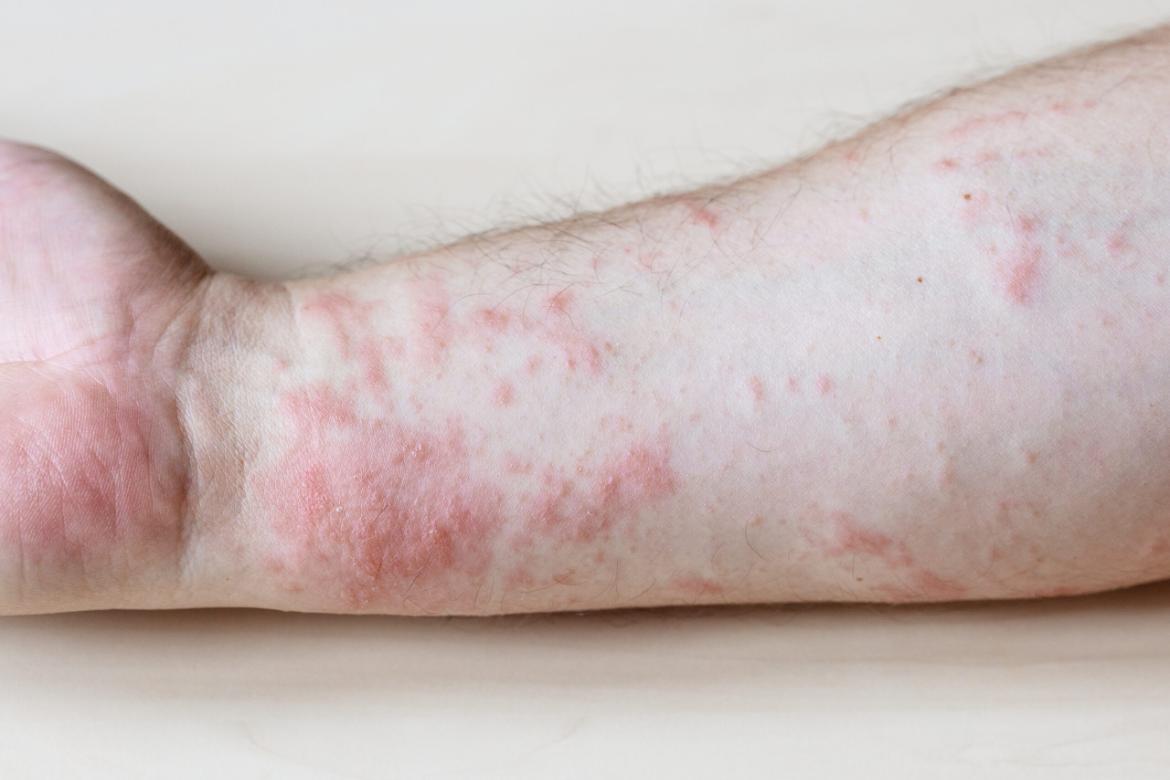
Adult Still's Disease
Adult-onset Still's disease (ASD) describes a rare inflammatory condition affecting multiple organs, typically seen in young adults. Compared to other rheumatic diseases, it is a multisystemic disease that is difficult to diagnose and has been poorly researched. Symptoms typically include fever, rash, and joint pain. Adult-onset Still's disease is a rare systemic autoinflammatory disease of unknown etiology, affecting multiple organs, and presenting with a diverse clinical course.
The disease is named after Sir George Frederic Still, who discovered the disease by describing 22 children with systemic-onset juvenile idiopathic arthritis (JIA) in 1897. Following this discovery, Eric Bywaters further defined the disease in 1971 by describing 14 adult patients with polyarthritis who presented with skin rash and fever.
Adult-onset Still's disease is an adult-onset variant of a condition called juvenile idiopathic arthritis (JIA), which typically affects children under the age of 16. Another name for the disease is systemic-onset JIA, where "systemic" refers to the onset of the disease with joint inflammation and body-wide symptoms, typically high fever, swollen glands, and internal organ involvement. "Idiopathic" indicates that the disease has no known cause.
Systemic-onset JIA was formerly called systemic-onset juvenile rheumatoid arthritis (JRA); however, due to changes in naming systems, both diseases are now referred to by the same name.
What Causes Adult Still's Disease?
While the exact cause of adult-onset Still's disease is unknown, it is believed to be triggered by external factors such as viral or bacterial infections and toxic substances in the body. During this process, the immune system overreacts to the triggering factors, leading to the onset of the disease. Genetic factors have also been suggested to play a role in the development of adult-onset Still's disease, but definitive information on this matter is not yet available.
Adult-onset Still's disease is classified as an autoimmune disease, which causes inflammation in the body. In autoimmune diseases, the immune system attacks its own cells and tissues that normally shouldn't harm the body. In this case, infections or toxic substances that could trigger the disease can lead to an overreaction by the immune system.
However, detailed studies of adult Still's disease are ongoing, and more research is needed to fully understand how the disease develops. A combination of genetic predisposition, environmental factors, and complex immune-related mechanisms may contribute to its development.
Adult Still's Disease Symptoms
Symptoms of adult Still's disease can be listed as follows:
- High fever: A high fever, which typically recurs daily or over several days, is one of the most prominent symptoms of adult Still's disease. The fever can often reach 39 degrees Celsius.
- Skin rash: Brick-colored or pink rashes can appear on various parts of the body. These rashes often occur with a fever.
- Joint pain and swelling: Pain, swelling, and stiffness may occur, particularly in the knees, wrists, elbows, and ankles. These joint symptoms are often more pronounced in the morning.
- Sore throat: A sore throat may occur as a result of swelling of the lymph nodes in the neck.
- Swollen lymph nodes: Swollen lymph nodes can usually be noticed in the neck or armpit.
- Mild itching: Some patients may experience mild itching on the body.
- Decreased appetite and weight loss: The disease can often cause loss of appetite, which can lead to weight loss.
Along with these symptoms, patients with adult Still's disease often experience nonspecific symptoms such as fatigue, weakness, muscle aches, and a general feeling of discomfort. If you experience symptoms such as high fever, skin rash, and joint pain, it's important to see a healthcare professional and get the necessary tests.
How Is Adult Still's Disease Diagnosed?
Diagnosing adult Still's disease typically involves a series of clinical, laboratory, and imaging tests. This process begins with the patient's symptoms and complaints, and the following methods may be used:
- History and physical examination: A detailed history is taken of the patient's health history and current condition. During the physical examination, the doctor will assess the patient for joint swelling, skin rashes, and other symptoms.
- Blood tests: Blood tests can help determine the presence of the disease. Characteristics that suggest an inflammatory condition may include a high white blood cell count, high C-reactive protein ( CRP ) levels, and a high erythrocyte sedimentation rate (ESR).
- Imaging tests: Imaging tests such as X-rays, magnetic resonance imaging (MRI), or computed tomography (CT) scans can help show changes in joints and internal organs. These tests can be used to help avoid confusion with other possible causes of the disease and to evaluate complications.
- Other laboratory tests: Some specialized laboratory tests can provide information about liver function, kidney function, and the status of other organs.
Diagnosing adult Still's disease involves combining the patient's symptoms, laboratory results, and imaging findings. Diagnosis is generally made based on the patient's symptoms and the exclusion of other rheumatologic conditions. Because there is no specific diagnostic test for this disease, diagnosis is often made by exclusion. It is important for the patient to be evaluated and diagnosed by a rheumatologist.
How is Adult Still's Disease Treated?
Treatment for adult Still's disease requires a personalized approach based on the severity of the disease, symptoms, and the patient's overall health. Common treatment options include:
- Steroid medications: Corticosteroids (steroids) may be used to relieve severe symptoms and control inflammation. However, long-term use can cause serious side effects, so doses should be minimized if possible.
- Nonsteroidal anti-inflammatory drugs (NSAIDs): NSAIDs may be used to reduce pain and inflammation. These medications are often used to relieve a patient's symptoms.
- Biological response modifier drugs: Used in patients with advanced disease or those who have not responded to other treatments, these drugs can help reduce inflammation by regulating the immune system.
- Immunosuppressants: These medications, used to suppress the immune system, can help control inflammation. However, they should be used with caution because they weaken the immune system.
- Physical therapy and exercise: Physical therapy may be recommended to increase joint mobility and maintain muscle strength. Appropriate exercise may also be recommended to improve the patient's overall health and increase energy levels.
- Rest and a healthy lifestyle: Healthy lifestyle factors such as rest, a healthy diet, regular exercise, regular use of medications, taking supplements, and avoiding stress are important in treating the disease.
The treatment plan is typically managed by a rheumatologist and tailored to the patient's response. Each patient is different, so the treatment plan must be individualized. Treatment effectiveness is monitored through regular follow-up and evaluation, and can be adjusted as needed.
Tips for Reducing Adult Still's Disease Symptoms
The following methods can be used to reduce the symptoms of adult Still's disease:
- Exercise and stay active: Regular exercise can help increase joint mobility and strengthen muscles. This can help maintain range of motion by maintaining flexibility in joints.
- Healthy diet: A balanced, nutritious diet can help manage weight, increase energy levels, and reduce fatigue. Additionally, adopting a diet that includes foods with anti-inflammatory properties may also be beneficial.
- Joint protection techniques: Applying joint protection techniques to daily activities can reduce stress on joints. Examples include proper posture, balanced weight-bearing, and regular rests to prevent joint fatigue.
- Stress management: Considering that stress can worsen disease symptoms, stress management can be achieved through methods such as regular sleep, relaxation techniques (meditation, deep breathing), talking therapies and counseling.
- Appropriate medication use: Regular and correct use of medications prescribed by your doctor can help manage symptoms. These medications generally aim to reduce pain, control inflammation, and slow the progression of the disease.
These methods can help relieve symptoms and improve a patient's quality of life. However, every patient is different, so it's important to collaborate with a healthcare professional to develop the most effective treatment plan.
