


41 Weeks Pregnant: What You Need to Know in the Last Stage of Pregnancy
As pregnancy progresses, the excitement of expectant parents continues to grow. Anxiety about the baby's healthy birth also intensifies. First-time mothers, in particular, may be anxious about the pain, discomfort, and physical changes they experience.
However, most of these concerns are part of a normal and natural process. Many of the changes that occur during pregnancy are considered temporary and natural. During this period, it is important for expectant mothers to have regular checkups with their doctors and maintain communication with healthcare professionals. Following the guidance of experts is crucial for protecting the health of both mother and baby.
Strong support and communication between expectant parents also helps them navigate this process more easily. Supporting each other, sharing concerns, and exploring solutions together can help them navigate this period more effectively.
In conclusion, anxiety during pregnancy is normal and usually temporary. However, if there is any doubt or uncertainty, it's best to consult a healthcare professional. This way, the health of both mother and baby can always be maximized.
How Many Months Is 41 Weeks Pregnant?
A 41-week pregnancy, calculated from the date of your last menstrual period, corresponds to 9 months and 1 week. This is the final stage of pregnancy, when labor can occur at any time. It's important to ensure the best possible health for both mother and baby by carefully following your doctor's checkups and recommendations.
When is the Due Date at 41 Weeks of Pregnancy?
At 41 weeks' gestation, labor can occur at any time. However, according to some guidelines, pregnancies lasting beyond 41 weeks are considered overterm or surmatured. In this case, the longer the baby remains in the womb can increase the risk of fetal complications. Therefore, doctors often take additional measures to induce or monitor labor at this stage. It is important for expectant mothers to maintain close communication with their doctors and follow their recommendations. This way, the health of both mother and baby can be optimally protected.
Average Baby Height and Weight at 41 Weeks of Pregnancy
At 41 weeks pregnant, the average baby weighs approximately 3500 grams and typically measures between 50 and 52 cm in length. These measurements are typical for a full-term baby, but every baby is different, and there may be slight variations. The key is to ensure the baby is developing healthily and growing well in the womb. Therefore, it is important for doctors to monitor regularly and take necessary measurements throughout the pregnancy.
Fetal Condition Tests and Evaluations Are Important in the 41-Week Pregnancy Exam
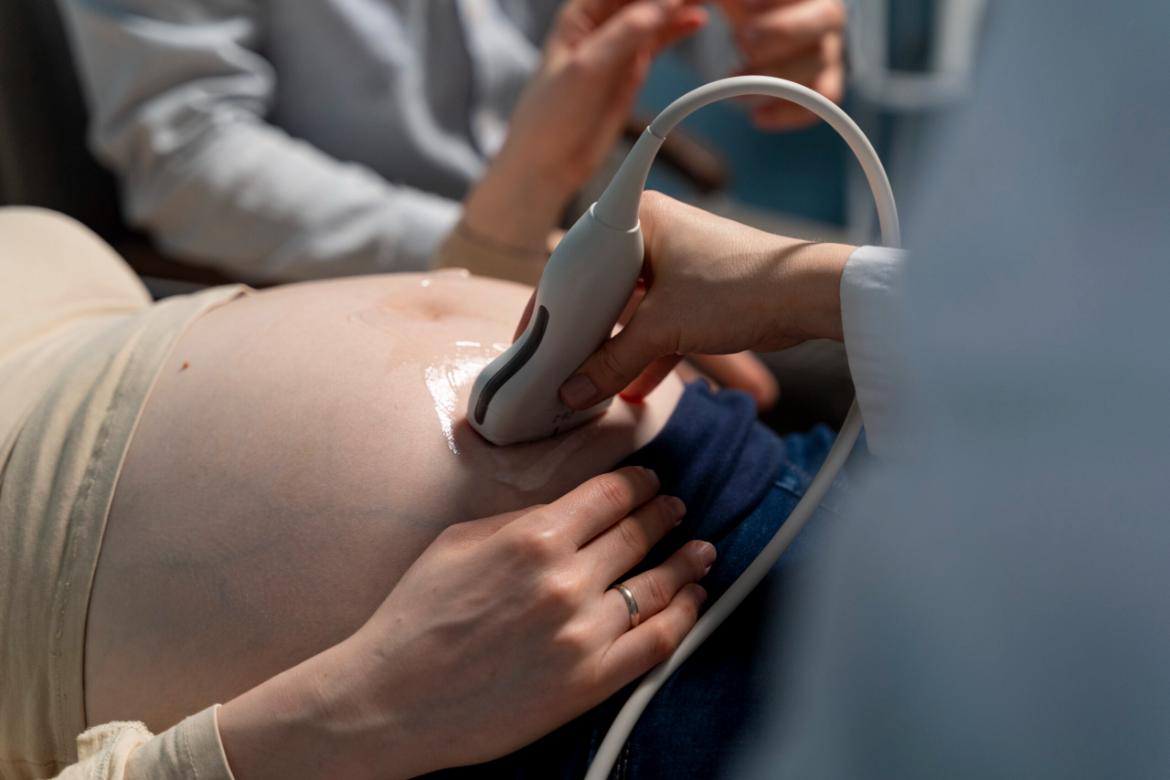
Fetal well-being tests are crucial during the 41-week pregnancy exam. Ultrasound (USG) examines the baby's size, amniotic fluid volume, and the baby's position in the birth canal. Additionally, Doppler ultrasound assesses the baby's blood flow.
During the examination, a vaginal examination may also be performed as the pregnancy progresses. This examination assesses the cervical dilatation and the baby's position in the birth canal. Based on these findings, a birth plan is developed, and if necessary, a decision is made whether to induce or monitor labor.
All these assessments are essential for the baby's health and the mother's safe labor. Careful adherence to your doctor's recommendations and guidance ensures optimal pregnancy management.
Can Gender Be Determined at 41 Weeks of Pregnancy?
At 41 weeks' gestation, the baby is generally fully developed, so its gender can always be seen in the appropriate position. Ultrasound examinations performed at this time can usually determine the baby's gender. However, if the baby is not in the appropriate position or if a certain position within the uterus makes imaging difficult, gender determination may not be possible. Gender can be more clearly seen, especially when the baby descends into the birth canal and is head-down. Therefore, ultrasound examinations performed at 41 weeks' gestation to determine the baby's gender can generally be successful.
Developmental Changes in the Baby at 41 Weeks of Pregnancy
Many changes are observed in the baby's development during 41 weeks of pregnancy. The baby has the appearance of a newborn, prepared for the outside environment. During this period, skin oils begin to decrease, and slight wrinkles may occur. The vernix caseosa, the protective layer of the baby's skin, diminishes.
The umbilical cord and amniotic fluid may be stained with the baby's first stool, called meconium. The baby's hair may have mostly fallen out, but nails may have grown. At this point, the baby's lungs are fully developed and ready for birth.
Expectant mothers should continue regular checkups and closely monitor for signs of labor during this period. 41 weeks of pregnancy is a time when the baby is ready for birth, and labor can occur at any time.
Can You Feel Pregnancy at 41 Weeks?
At 41 weeks pregnant, fetal movements are very significant and can be felt by the mother. At this stage, the baby's movements may generally have decreased and may feel lighter, but they should still be felt regularly. A significant decrease in fetal movements, or if they are not felt at all, could be a sign that the baby is in distress.
Therefore, it's important for expectant mothers to monitor their baby's movements and monitor them regularly. If a significant decrease in baby movements is noticed, a healthcare professional should be consulted immediately. The doctor will evaluate the baby's condition, perform the necessary examinations, and take the necessary precautions. This will ensure the baby's health is optimally protected.
Is Discharge and Spotting Normal at 41 Weeks Pregnant?
At 41 weeks pregnant, experiencing bloody or coffee-colored discharge or spotting could indicate that the cervix is beginning to change or dilate. This could indicate that labor is approaching and the body is preparing for labor. However, this type of discharge is not always normal.
This type of discharge can sometimes be normal before birth, but in other cases, it can be a sign of a serious condition. Therefore, expectant mothers should consult a healthcare professional immediately if they experience this type of discharge. The doctor will assess the situation and perform the necessary examinations to check the health of both mother and baby. This will ensure the necessary precautions are taken to ensure a healthy baby is born.
Is Bleeding Risky at 41 Weeks of Pregnancy?
Bleeding at 41 weeks' gestation is always significant and should be taken seriously. Factors such as the color and amount of bleeding, and accompanying symptoms (pain, cramping, contractions, etc.) determine the urgency of the situation.
Causes of bleeding may include the beginning of cervical dilation, placental abruption, or placenta previa. These conditions can pose serious risks to both mother and baby and require immediate intervention.
Therefore, any bleeding during pregnancy at 41 weeks should be immediately seen by a healthcare professional. The doctor will assess the situation and provide the necessary interventions to protect the health of both mother and baby. Bleeding is a pregnancy emergency, and neglecting it can lead to serious consequences.
Can a 41-Week-Old Baby Experience Groin Pain?
Groin pain can be common during 41 weeks of pregnancy. This pain is often associated with conditions such as an enlarged uterus, stretched uterine suspensory ligaments, or ripening of the cervix. As the uterus is in its final stages of labor, it has grown to a large size, which stretches the surrounding tissues and ligaments. As a result, women may experience discomfort or pain in the groin area.
However, groin pain may not always be normal and can sometimes be a sign of a serious condition. Especially if groin pain is severe or persistent, or accompanied by other symptoms (such as bleeding, water breaking, regular contractions), a healthcare professional should be consulted immediately. The doctor will evaluate the situation and take the necessary precautions to protect the health of both mother and baby.
Is It Normal to Have a Headache at 41 Weeks Pregnant?
Headaches can occur at 41 weeks of pregnancy. Hormonal changes during pregnancy can cause the smooth muscles in the blood vessels to relax, leading to headaches. However, headaches are not always due to factors such as blood pressure fluctuations. High blood pressure, in particular, can be a serious condition during pregnancy and should be treated with caution.
Headaches can occur at any time during pregnancy and are generally normal. However, if the headache is sudden or severe, or is accompanied by other symptoms (e.g., vision changes, swelling, abdominal pain), it is essential to consult a healthcare professional.
Your doctor will assess the cause of your headache and take necessary precautions to protect the health of both mother and baby. Therefore, a woman experiencing a headache at 41 weeks pregnant should consult a healthcare professional immediately.
Is Nausea and Heartburn Normal at 41 Weeks Pregnant?
Nausea and heartburn are quite common at 41 weeks pregnant. This can be attributed to the increased pressure on the stomach due to the growing uterus, causing stomach acid to reflux into the esophagus. With increased stomach pressure, heartburn and reflux symptoms may become more frequent or exacerbated.
Additionally, if nausea and/or vomiting are also present, this could be a sign that the cervix is beginning to dilate. Therefore, expectant mothers experiencing these symptoms should consult a healthcare professional.
In summary, nausea, heartburn, and reflux are quite normal at 41 weeks pregnant. However, it's important to consult a doctor if you experience severe or persistent nausea, vomiting, or heartburn, as these could be symptoms of a different issue.
Can I Have Sex at 41 Weeks of Pregnancy?
Yes, sex is possible at 41 weeks of pregnancy. However, you can feel comfortable having sex unless your doctor tells you otherwise. It's important to have sex in a comfortable position during this time. Additionally, some sources suggest that certain substances in semen after unprotected intercourse can trigger labor.
However, as with any pregnancy, if you experience discomfort or any problems during intercourse, you should consult your doctor. It's important to follow your doctor's advice, especially if you've had any previous complications or have risk factors.
Can You Feel Your Baby's Movements at 41 Weeks Pregnant?
At 41 weeks pregnant, fetal movements are extremely important. During a two-hour period, when the expectant mother is carefully observing the baby in a resting position, the baby is expected to move at least 10 times. If the baby's movements decrease or are not felt, it is important for the expectant mother to contact her doctor immediately. This is a sign of the baby's health and should be evaluated quickly.
Does Frequent Urination Occur During 41 Weeks of Pregnancy?
Frequent urination is common at 41 weeks pregnant. As the baby grows and settles into the birth canal, the uterus puts more pressure on the bladder, which can increase the frequency of urination. Additionally, as pregnancy progresses, the increased amount of fluid in the body can contribute to the feeling of needing to urinate more frequently. This is a normal part of pregnancy and is generally not a cause for concern. However, if frequent urination is accompanied by symptoms such as burning, itching, or pain, it could be a sign of another condition, such as a urinary tract infection, and a doctor should be consulted.
Will There Be Swelling in the Hands and Feet at 41 Weeks of Pregnancy?
Swelling in the hands and feet is common during 41 weeks of pregnancy. This swelling may be a result of hormonal and physiological changes associated with pregnancy. Swelling in the feet may become more noticeable, particularly in later weeks due to the effects of gravity. However, swelling in the upper body (for example, the face or eyelids) is not always normal.
Swelling, particularly on the face or eyelids, can be a sign of complications such as high blood pressure or protein loss in the urine. Therefore, it's important for expectant mothers experiencing these symptoms to have their blood pressure and urine checked for protein.
In conclusion, swelling in the hands and feet at 41 weeks pregnant is generally normal, but swelling in the upper body may require attention. Therefore, it's important to consult a doctor if you have any concerns.
Can You Experience Weakness at 41 Weeks of Pregnancy?
Fatigue is quite common at 41 weeks pregnant. As pregnancy progresses, factors such as hormonal and physiological changes, increased pregnancy weight, and lack of sleep can combine to cause feelings of weakness and fatigue. Furthermore, the body's energy expenditure increases during pregnancy, which can exacerbate feelings of fatigue.
Factors such as blood pressure fluctuations and blood pressure fluctuations can also increase feelings of fatigue, especially at advanced pregnancy levels like 41 weeks. Therefore, it's important for expectant mothers experiencing weakness and fatigue to take care of their bodies by resting and taking good care of themselves.
However, if you experience persistent or severe fatigue, or if it's accompanied by other symptoms (such as dizziness, shortness of breath, or heart palpitations), you should definitely consult a doctor. These symptoms may be a sign of an underlying health problem that needs to be treated.
Is Diarrhea Normal at 41 Weeks Pregnant?
Diarrhea at 41 weeks pregnant can occur due to hormonal and neurological changes that occur during labor, in addition to pre-pregnancy factors. Hormonal changes during this period can increase intestinal motility and cause diarrhea. Additionally, some physiological changes occur in the body as labor approaches, which can have an impact on the digestive system.
However, if diarrhea is persistent or severe, or if it is accompanied by other symptoms (e.g., fever, bloody stools, vomiting), you should consult a doctor. These may be a sign of an underlying health problem that needs to be treated.
What are the signs of infant death at 41 weeks of pregnancy?
Signs of fetal death at 41 weeks gestation may include:
- A significant decrease or cessation of baby movements: A significant decrease or complete cessation of baby movements may be a sign of a serious health problem. In this case, a healthcare professional should be consulted immediately.
- Lack of regular contractions: At 41 weeks of pregnancy, labor is expected to begin, and the absence of regular contractions may require consulting a doctor to evaluate the baby's condition.
- Bleeding or vaginal discharge: Bleeding or vaginal discharge could be a sign of a serious problem in pregnancy and should be consulted immediately by a healthcare professional.
- Abnormal fluid loss: Abnormal removal of fluids from the body or premature rupture of the water sac can also affect the baby's health and can be an emergency.
- Abnormal body fluids: Abnormal body fluids resulting from a urinary tract infection or other infections can also affect the baby's health.
It's important for expectant mothers experiencing any of these symptoms to contact a healthcare professional immediately. Prompt evaluation and intervention are crucial to protecting the health of both mother and baby.
What Should the Sleeping Position Be Like at 41 Weeks of Pregnancy?
Sleeping on your back at 41 weeks pregnant can cause the growing uterus to press on the major blood vessels that run in front of your spine, reducing blood return to your heart and causing a drop in blood pressure. Therefore, the side position, especially the left side position, is a suitable option for sleeping. The left side position reduces the pressure of the uterus on the major blood vessels and improves blood circulation. This position also supports your baby better and can provide more comfortable sleep. Aside from the side position, sleeping on your back is generally not recommended because the growing uterus can put extra pressure on your back and waist and affect your circulation. Therefore, if possible, sleeping on your left side at 41 weeks pregnant can provide a better sleep experience and support your overall health.
What Does It Mean When Your Water Breaks at 41 Weeks Pregnant?
Water breaking at 41 weeks pregnant signifies the start of labor. This is the release of fluid from the amniotic sac through the vagina. This usually indicates the start of labor and the imminent birth of the baby.
Water breaking is usually painless or accompanied by mild discomfort. Pain and contractions may begin as the water breaks, which may be a sign of labor. During pregnancy, the mucus layer, which protects the baby from infection, is expelled, which can cause water to break.
Water breakage can occur anytime between 37 and 41 weeks. However, symptoms can vary from woman to woman. Therefore, it's important to consult a healthcare professional if your water breaks. Your doctor will assess the situation and take any necessary steps to manage your labor.
Is It Normal for Blood Pressure to Drop at 41 Weeks Pregnant?
A drop in blood pressure during 41 weeks of pregnancy is quite normal. Hormonal and physiological changes that occur during pregnancy can cause a drop in blood pressure, especially in the later stages. Furthermore, the pressure of the growing uterus on the major blood vessels can also contribute to the drop in blood pressure.
Low blood pressure usually presents with mild symptoms, but sometimes it can be more serious. Therefore, it's important for anyone experiencing low blood pressure to consult a doctor if they feel unwell or have severe symptoms.
What Should You Pay Attention to During 41 Weeks of Pregnancy?
Things to consider during 41 weeks of pregnancy:
- Nutrition : A baby's health is directly dependent on the mother's diet. Consuming a balanced and varied diet is important for the baby's development. Foods containing adequate amounts of protein, vitamins, minerals, calcium, folic acid, and iron should be consumed.
- Alcohol and cigarettes: Alcohol and cigarettes should be strictly avoided during pregnancy. These substances can negatively affect the baby's health.
- Doctor's checkups: It's important to attend regular checkups throughout pregnancy. Especially in the 41st week, the doctor's recommendations should be followed carefully and the baby's health should be monitored by necessary checkups.
- Fluid intake: Drinking enough water daily is also important. This helps maintain proper bodily functions and reduces the risk of dehydration.
- Activity and rest: Appropriate exercise and adequate rest are important. However, excessive physical activity should be avoided.
- Comfort: Wearing comfortable clothes and choosing a proper sleeping position are important for pregnancy comfort.
In conclusion, during the 41st week of pregnancy, regular nutrition, medical checkups, fluid intake, and appropriate activity patterns are crucial for the health of both mother and baby. By following these recommendations, you can have a healthy pregnancy.
